Air Freight Customs Clearance China Speed And Cost Control
Air freight customs clearance China. 24 hour release, air waybill rules, lithium battery limits, storage free time, 2026 airport rules. Send your AWB number for a plan.
By SeeHog Logistics editorial team
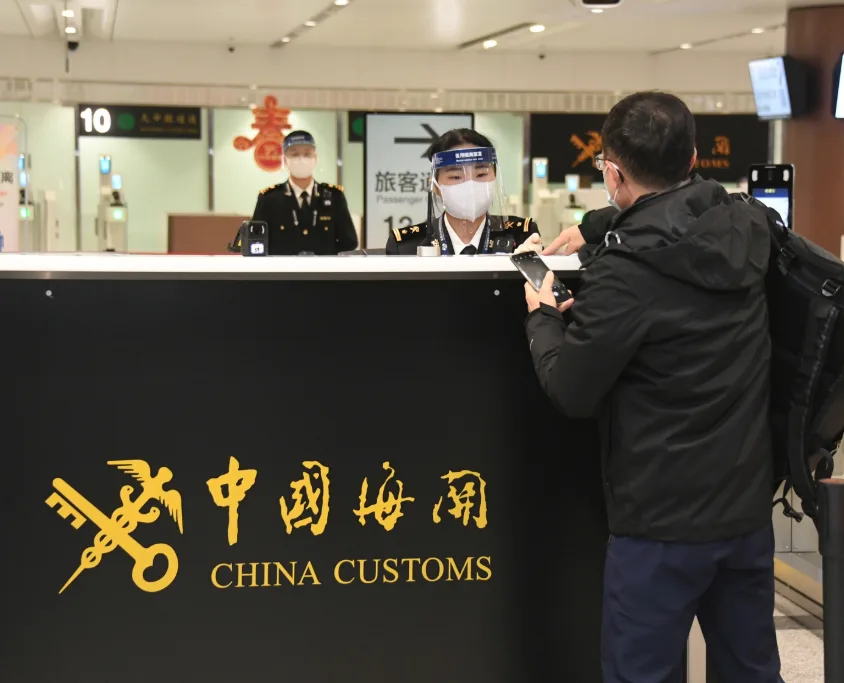
Buyers choose air freight to save time, then find that air freight customs clearance China has failed them not on speed but on paperwork. Air cargo moves fast enough that any inconsistency in the documents becomes a visible cost, because the goods land before the errors are noticed.
The free storage window at air terminals is measured in hours, not days. Unlike ocean containers which enjoy a longer free period, air cargo at the airport warehouse begins accruing storage charges after a short free window, often within one to three days of arrival. A shipment held for a documentation query can therefore incur warehouse charges that are disproportionate to the value of the goods. This is the most common and most avoidable cost in air imports.
The air waybill is not a document of title, and this changes the process. Because the air waybill does not convey ownership, goods can be released to the named consignee on presentation of identity without surrendering an original document. This removes the delay of couriering originals that affects ocean shipments, but it also means the consignee named on the air waybill must exactly match the entity declared to customs. A mismatch between the air waybill consignee and the importing entity of record is a frequent cause of hold, particularly where a trading company is named on the waybill but a factory entity is the declared importer.
Lithium battery shipments carry hard limits. Air transport of lithium cells and batteries is governed by strict packing, marking, labelling and documentation requirements, and there are quantity limits per package and per aircraft. Energy storage units, battery modules and portable power stations typically move as cargo aircraft only, and require the UN38.3 test summary, the lithium battery shipper declaration, the correct class 9 label and the proper shipping name. Shipments offered without these are rejected at origin or, worse, detained at destination. Where a consignment exceeds the permitted quantity, it must be split or moved by sea, and this decision must be made before booking, not after rejection.
General trade versus express clearance. Air shipments can enter under a general trade declaration or through an express or courier channel. General trade allows full duty and VAT treatment, supports VAT deduction, permits bonded arrangements and is required for goods inside the compulsory certification catalogue or above the value threshold of the express channel. Express clearance is faster for low value samples but does not produce the import declaration needed for VAT credit or for equipment that will be capitalised. Buyers importing transformer units, cable drums or storage cabinets for project use should plan on general trade from the outset.
Compulsory certification applies regardless of transport mode. Cables, wires, low voltage switchgear and related products inside the CCC catalogue require a valid certificate in the correct applicant name with the correct factory address and model range. Air freight does not relax this requirement, and a sample shipment of a new model can be held if the certificate does not yet cover that model. Confirming the certificate scope before shipping a sample avoids a hold that delays both the sample and the certification timeline.
Valuation and the invoice standard. The commercial invoice must state the commodity description with sufficient technical detail, including voltage rating, conductor material, cross section, core count, insulation type, brand, model, country of origin, unit price and total value. Freight and insurance elements must be identifiable where they form part of the customs value. Air freight invoices that state only a generic product name and a lump sum value attract valuation queries and delay.
Where we fit in. We manage air clearance for electrical equipment manufacturers and their overseas buyers. We confirm the HS classification and duty exposure before booking, verify whether the model is covered by an existing CCC certificate or whether a non applicability letter is required, check the lithium battery documentation package against the air transport requirements, confirm that the air waybill consignee matches the importing entity, review the invoice for the technical detail customs expects, lodge the declaration as early as the air waybill allows, monitor the warehouse free window and alert you before storage begins, and arrange pickup promptly so charges do not accumulate. For urgent project spares we coordinate same day release where the documents are clean.
Send us the commodity description with voltage rating and conductor material, the air waybill number and arrival airport, the shipper and consignee names as they appear on the waybill, whether the cargo contains lithium cells and in what quantity, whether CCC is held and which model range it covers, the declared value and currency, and whether you require general trade or express entry. We will confirm the classification, the certificate position, the correct declaration channel, the realistic release window and the total cost exposure including warehouse storage risk. Email us or add WhatsApp +86 15221865538 and we will return a written clearance plan before your shipment departs.