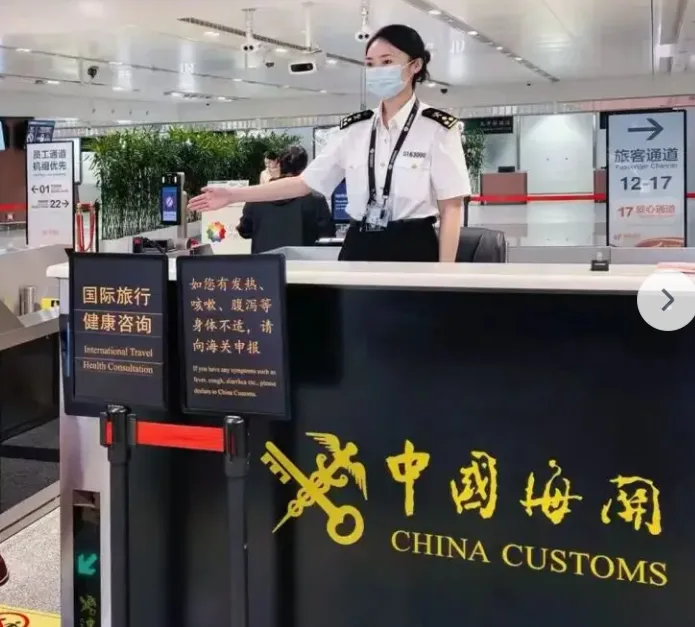
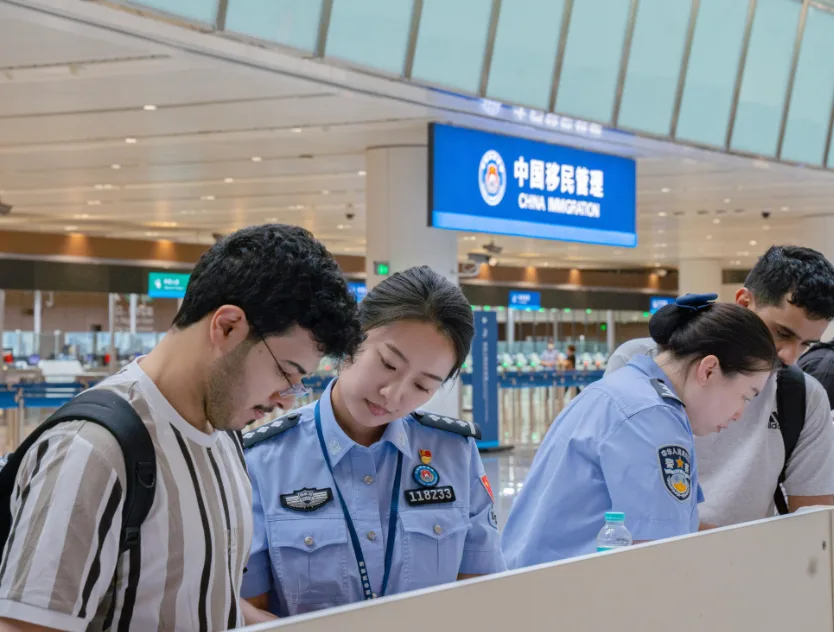
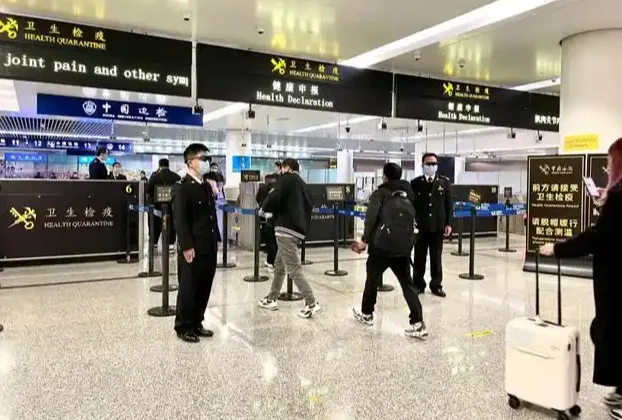
China Customs Broker for Electrical Equipment
China customs broker for electrical equipment. HS codes, CCC checks, AEO handling, duty planning for cables, transformers, storage. Send specs for a plan.
By SeeHog Logistics editorial team
Most overseas buyers assume a China customs broker simply files paperwork, and discover too late that the broker's technical knowledge of their product category decides whether the shipment clears in two days or sits at the port for three weeks. For electrical equipment, that distinction is not academic.
Electrical goods attract classification scrutiny. Cable, wire, transformer and storage products carry tariff codes that turn on conductor material, voltage rating, insulation type and whether the item is finished or semi finished. A solar cable can fall under several headings depending on construction, and the difference between codes changes both the duty rate and whether regulatory conditions attach. A broker without an electrical background will declare what the packing list says; a broker who works with manufacturers daily will check the specification against the code before filing.
CCC verification belongs before loading, not at the gate. Cables, wires and low voltage switchgear inside the CCC catalogue require a valid certificate covering the exact model range and the producing factory address. A certificate that names a different factory, or a model suffix that does not appear on the packing list, triggers inspection and hold. We verify the certificate scope against the commercial documents before the goods leave the factory, which removes the most common cause of electrical cargo being detained.
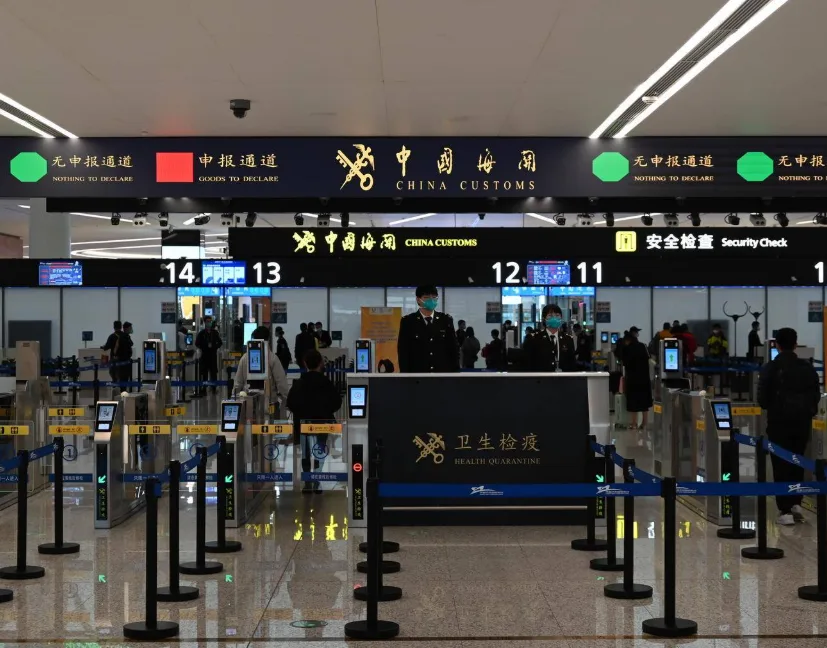
AEO status changes your clearance economics. Authorised Economic Operator certification gives a broker access to priority processing channels, reduced inspection rates and simplified documentation. For buyers running regular shipments, working through an AEO aligned broker lowers the probability of a random inspection interrupting a delivery window, which matters when a project has a commissioning date attached.
Duty planning should happen at quotation stage. Preferential rates under regional agreements depend on correct origin documentation and, for some products, on specific processing rules being met. A broker who reviews the tariff position before the order is placed can identify whether a different configuration, a different factory or a different routing produces a lower landed cost. Finding this out after the goods are on the water usually costs more than it saves.
Where we fit in. We are a China customs broker working specifically with electrical equipment manufacturers and their overseas buyers, covering photovoltaic cable, energy storage systems, transformers and related power equipment. We confirm the correct tariff classification against your technical specification, verify CCC certificate coverage for the exact model and factory, calculate duty and VAT under applicable preferential agreements, prepare and lodge declaration documents, handle inspection and valuation queries, arrange AEO aligned processing where available, coordinate port and border handling, and provide written clearance reports so you can track every consignment.
Send us the product description with voltage rating, conductor material and insulation type, the HS code if you have one, whether CCC is held and which models it covers, the producing factory name and address, the intended port of entry, the declared value and currency, and your required delivery date. We will confirm the classification, the certificate position, the total duty exposure and a realistic clearance timeline. Email us or add WhatsApp +86 15221865538 and we will return a written customs handling plan before you book the shipment.