China Customs Clearance: Broker, Importer of Record or Your Buyer?
Compare the three ways to handle China customs clearance—broker, importer of record, or your Chinese buyer—and see duty, VAT, documents and risks before you ship.
By SeeHog Logistics editorial team
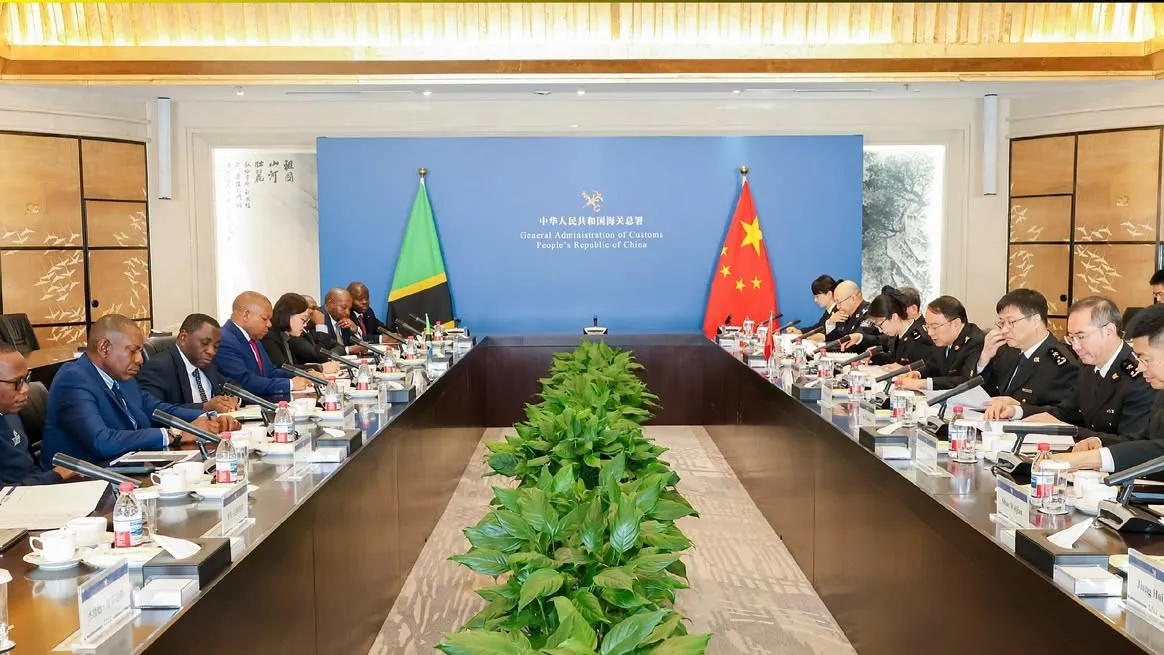
Image: Daily News
Deciding who will handle china customs clearance is really a choice among three setups: a licensed customs broker filing on your behalf, an import agent that acts as importer of record, or your Chinese buyer clearing the goods in their own name. This decision—often phrased as china customs broker vs importer of record—changes who appears on the declaration, who pays duty and VAT, and who answers customs when a shipment is examined. China’s General Administration of Customs has been expanding automated clearance tools and sharing that expertise with other authorities (Daily News), so a correct digital declaration can move fast—but an incomplete or incorrect one still stops at the port.
Three ways to handle china customs clearance
Option 1: Licensed customs broker. The broker prepares and submits the declaration, but cannot be the importer of record unless your company has a Chinese entity or you already hold a valid importer registration. The consignee on the bill of lading must be a China-based party. If you are an overseas seller offering DDP, a broker alone is not enough—you still need a local party to accept the goods and pay taxes.
Option 2: Import agent / importer of record. An import agent imports under its own name, signs the import contract, can pay the foreign supplier, and issues a Chinese VAT invoice to your end buyer. This is the shortest path for overseas companies that want to sell into China without opening a local company, especially for DDP or door-to-door China delivery. The agent remains accountable until goods are released and delivered.
Option 3: Your Chinese buyer clears. The buyer uses its own import licence, pays duty and VAT, and controls the HS code and valuation. This can work smoothly for repeat distributor business, but you lose control over clearance timing and declared value. If the buyer underpays or misclassifies, customs may re-assess and hold the cargo, and your shipment suffers even if you are not the importer.
HS classification, duty and VAT: the landed-cost sequence
China import duty and VAT calculation follows a fixed order: import duty is based on the CIF value (cost, insurance and freight). For goods subject to consumption tax, that tax is computed on a base that includes CIF value and duty. Import VAT is then charged on the total of CIF value + duty + consumption tax. Each percentage depends on the HS code and, for duty, sometimes on the country of origin under a free trade agreement. That is why HS classification and duty planning must be done before you sign the contract: a wrong code can trigger back duty, a penalty and days of demurrage. Send the product name, composition or specifications, and the supplier’s country of origin, and we will confirm the likely code and tax chain instead of guessing at the port.
Documents, licences and labelling: what each option must solve
Your China customs documents list starts with the commercial invoice, packing list, bill of lading or airway bill, certificate of origin, and any product-specific licence or registration. China import licence requirements vary by category: food, cosmetics, machinery, chemicals and timber often need additional certificates—phytosanitary, CCC, or Chinese labelling approvals—before the goods arrive. If the declaration names an import agent, you also need a signed import contract and customs power of attorney. If your Chinese buyer clears, they will need their import licence and tax registration. Missing or inconsistent documents are the most common reason a container waits. Customs authorities treat false declarations and broken seals seriously; a recent federal case at California ports showed a trucking playbook for diverting containers before inspection, with counterfeit seals and encrypted instructions (FreightWaves). China applies equally strict penalties, so do not bypass inspection or alter seals.
Which option fits your shipment
Incoterms change the answer: under FOB, CFR or CIF, the buyer usually clears; under DDP, the seller must clear and pay tax, which is why import agents are common. Choose your Chinese buyer clearance if you export to a distributor who holds the licences and will resell domestically. Choose a licensed broker if you already have a China entity and want a per-declaration service: use import customs clearance in China to get declarations prepared before arrival. Choose an import agent / importer of record if you quote DDP, DAP or door-to-door prices, or if you have no Chinese company: the agent pays the foreign supplier, clears through customs, pays duty and VAT, and delivers to your buyer, with one quotation from origin to destination.
Before you decide who handles your china customs clearance, send us the product name, HS code if known, port of origin and final destination in China. We will return a China customs documents list and a landed-cost quotation with duty, VAT and delivery included. Contact us at /en/contact/.
Frequently asked questions
Can a foreign company clear goods in China without a local entity?
No. A customs declaration must be filed by or on behalf of a China-registered consignee or a licensed importer of record. A broker cannot be the importer for a foreign seller; use an import agent if you have no Chinese company.
What is the difference between import duty and import VAT in China?
Import duty is charged on the CIF value. Import VAT is charged on the total of CIF value plus duty plus any consumption tax. Rates vary by HS code and origin, so we confirm them before shipment.
Do I need an import licence for all goods sent to China?
No. Many general goods only need standard documents and registration, but certain categories such as food, cosmetics, chemicals or machinery require specific licences or certificates. Send the product name and HS code for a document list.
How long does china customs clearance take?
If documents are complete and no inspection is triggered, release often takes one to three working days after arrival. Inspection, valuation queries or missing labels can add days, which is why we prepare declarations before arrival.
Who pays demurrage if my goods are held in China customs?
The responsible party depends on the Incoterms and the consignee. Under DDP or DAP, the seller or its import agent bears the cost. An import agent can also coordinate delivery to minimise storage exposure.
This article was compiled with automated research and reviewed against the cited sources.