China Customs Clearance Cost Breakdown For Power Equipment
China customs clearance cost explained for power equipment. Duty, VAT, declaration fees, inspection and storage, with a worked example before you ship.
By SeeHog Logistics editorial team

Most buyers budget for freight and forget that China customs clearance cost is a separate stack of charges, and the parts that surprise people are rarely the ones on the quote sheet.
The statutory layer is fixed and formula driven. Import duty is calculated on the CIF value, which is cost plus insurance plus freight, multiplied by the rate attached to your HS code. Import VAT is then levied on the sum of the dutiable value plus the duty, at the standard 13% rate for most electrical goods. Duty rates for Chinese imports run across a wide band depending on classification and origin, so the same transformer can attract very different totals under different codes. Consumption tax does not normally apply to cable, switchgear or storage equipment.
Preferential rates are the largest controllable saving. Where a valid RCEP or other agreement certificate of origin exists, the duty element can drop sharply or to zero. The certificate issuer must match the shipper shown on the bill of lading, and the goods description must match the invoice wording, otherwise the preferential rate is refused at assessment. We verify the origin document before the goods are booked, not after the duty note is issued.
The service layer is where quotes differ. Declaration agency fees are commonly charged per entry, and complex entries with many HS lines, licence controlled items or professional classification work cost more than a simple single line filing. Document handling, amendment and re declaration are separate items on most tariff sheets.
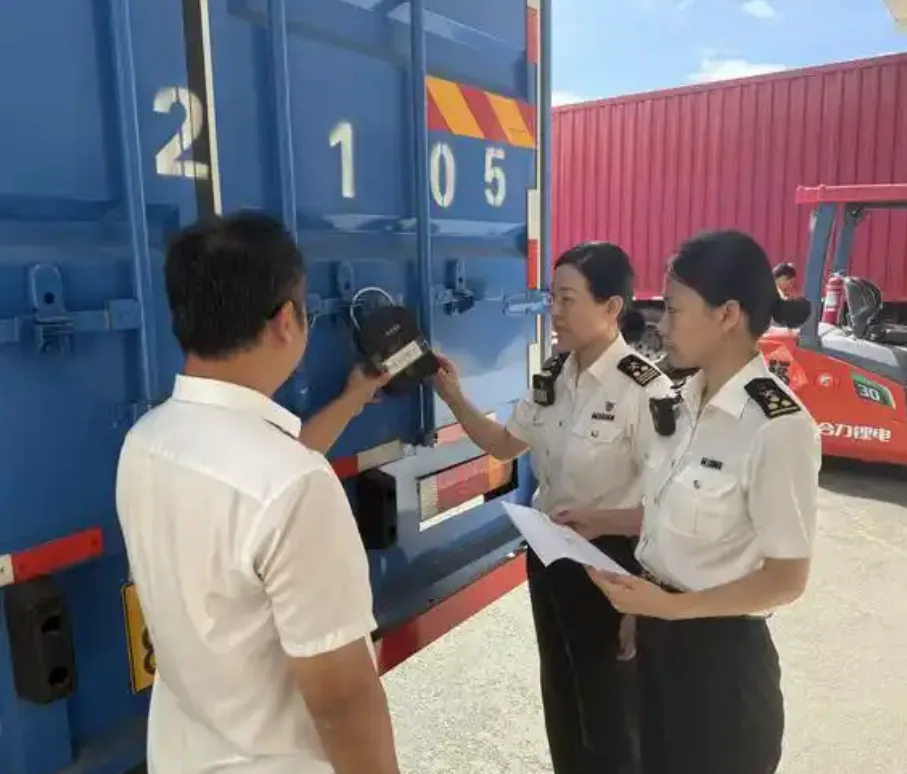
The exception layer is what actually inflates invoices. Inspection handling charges apply when Customs opens the container, and they vary by terminal, with some Ningbo terminals charging more than others for the same service. Storage and demurrage accrue daily once free time expires, and a late declaration beyond the statutory window attracts a daily penalty calculated on cargo value.
A worked illustration. On a CIF value of USD 10,000 for electrical equipment at a 5% duty rate, duty is USD 500 and VAT at 13% on the sum is roughly USD 1,365, giving about USD 1,865 in statutory charges before any service or exception fees. Add declaration, terminal charges and inspection handling and the total lands close to USD 2,100 to 2,200. That is the number you should be comparing quotes against, not the agency fee alone.
Where we fit in. We handle China customs clearance cost planning for manufacturers and overseas buyers of photovoltaic cable, energy storage systems, transformers and related power equipment. We confirm HS classification and the applicable duty band, verify CCC and destination certificate coverage model by model, check RCEP and agreement eligibility before booking, calculate the dutiable base and VAT exposure in writing, lodge declarations through the Single Window, supervise packing and lashing, respond to inspection with technical documentation, control terminal storage and demurrage, and issue a final cost reconciliation against the original estimate.
Send us the product description with voltage rating, conductor material and insulation type, whether batteries are pre installed, the commercial invoice and packing list, the origin country and any certificate of origin you hold, the producing factory address, and the arrival port and date. We will return a written cost breakdown showing duty, VAT, service fees and the likely exception exposure before you commit. Email us or add WhatsApp +86 15221865538 and we will send the estimate within one working day.