China Import Duty: 7-Step Checklist from Enquiry to Delivery
Follow this China import duty checklist to classify goods, budget taxes, prepare documents and avoid customs delays. Get a landed-cost quote in one step.
By SeeHog Logistics editorial team

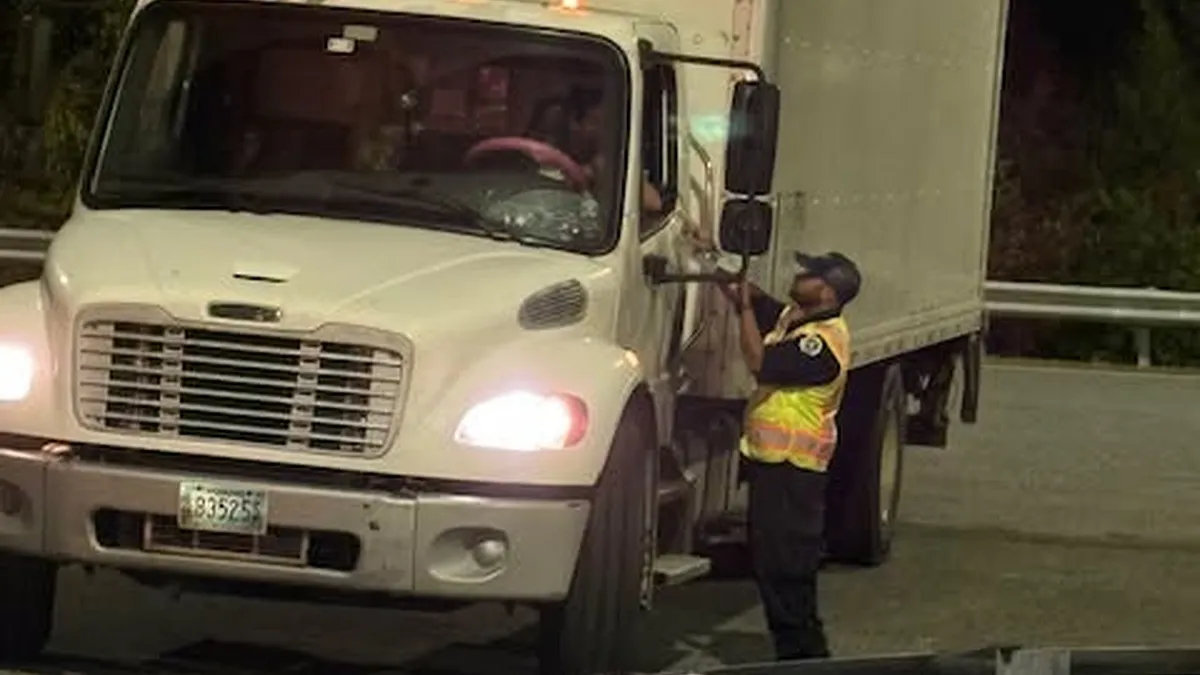
Image: FreightWaves
If you are shipping into China, every China import duty, VAT and consumption tax amount starts with one thing: the HS code. The wrong code changes the duty rate, the licence requirement and the final landed cost. This checklist follows the seven-step process we use for importers, from first enquiry to delivery, so you can prepare the right documents and avoid surprises at the port.
Step 1: Lock the HS code and import eligibility
Before signing any contract, send the product name, material, function, photos and technical spec. For chemicals, include the safety data sheet; for machinery, the catalogue and model year. We verify the 10-digit code against China's tariff and check whether the item needs an import licence, registration or special permit. This is the step where many delays start, so use a HS classification and duty planning review before the supplier ships.
Step 2: Calculate China import duty, VAT and consumption tax
China import duty is applied to the CIF value: goods cost plus insurance plus freight to the Chinese port. Then import VAT is calculated on the CIF value plus duty plus any consumption tax. Consumption tax applies only to selected goods such as alcohol, tobacco, high-end cosmetics, cars, yachts and fuel. Ask your forwarder or agent for a line-by-line landed-cost estimate before you commit to the purchase. There is no single "China import duty calculator" that covers every HS code and origin, because preferential rates depend on the certificate of origin, so request a binding calculation with your specific product details.
Step 3: Prepare the document pack before the goods leave
Typical documents: commercial invoice, packing list, bill of lading or air waybill, certificate of origin (to claim a lower duty rate), import licence or permit (if applicable), inspection or quarantine certificate and Chinese label (if required). If you do not have a Chinese entity, a China import agent and importer of record can import in our name, handle foreign payment and issue the Chinese VAT invoice. Prepare all documents in English and Chinese where possible.
Step 4: Choose Incoterms and the right port
FOB, CIF and DDP each change who pays the ocean freight, insurance and China import duty. With DDP the supplier or agent includes duty and VAT in one quote; with FOB you control the freight but must arrange customs yourself. Even as peak season winds down, ocean rates remain elevated year over year (Supply Chain Dive), so lock in an all-in freight rate before the cargo moves. Choose the port closest to your buyer to reduce domestic trucking and inspection risk.
Step 5: Submit the declaration before arrival
We use import customs clearance in China to submit the declaration once the bill of lading is issued, ahead of vessel arrival. At this step, prepare for a possible customs examination, a valuation query or a label check. Pay the assessed duty, VAT and any consumption tax through the electronic system to release the cargo. Complete documents and a consistent declared value usually keep this to a few working days; an examination adds time.
Step 6: Release, label and deliver
After customs releases the goods, check that mandatory Chinese labels are affixed (for food, cosmetics, wine, etc.) and arrange final delivery. Keep the import declaration, payment receipts and VAT invoice for your records. To get a document checklist and landed-cost quotation that includes China import duty, VAT and any consumption tax, send the product name, HS code if known, origin and destination to our contact page.
Frequently asked questions
How is China import duty calculated?
China import duty is calculated on the CIF value (goods cost + insurance + freight to the Chinese port) at the rate for the correct HS code. Import VAT is then applied on top of the CIF value plus duty plus any consumption tax.
Do I need a Chinese company to import?
No. An importer of record such as SeeHog can import in our own name, handle foreign payment, pay the duty and VAT, issue the Chinese VAT invoice and deliver the goods to your buyer in China.
Which goods face additional consumption tax in China?
Consumption tax applies to selected categories including alcohol, tobacco, high-end cosmetics, passenger cars, yachts, fuel and certain other luxury or environmentally sensitive goods.
What documents must I prepare before the cargo ships?
You need a commercial invoice, packing list, bill of lading or air waybill, certificate of origin, any import licence or permit, and any inspection, quarantine or Chinese labelling documents required for your product.
How long does customs clearance take in China?
If the documents are complete and no customs examination is triggered, clearance often takes 1 to 3 working days after arrival. An examination, valuation query or label check can add several days.
This article was compiled with automated research and reviewed against the cited sources.