China Import Tax: 6 Buyer Questions Answered Before Shipping
Get direct answers on duty, VAT, HS codes, Incoterms and hidden landed costs—so you can quote China imports with confidence.
By SeeHog Logistics editorial team
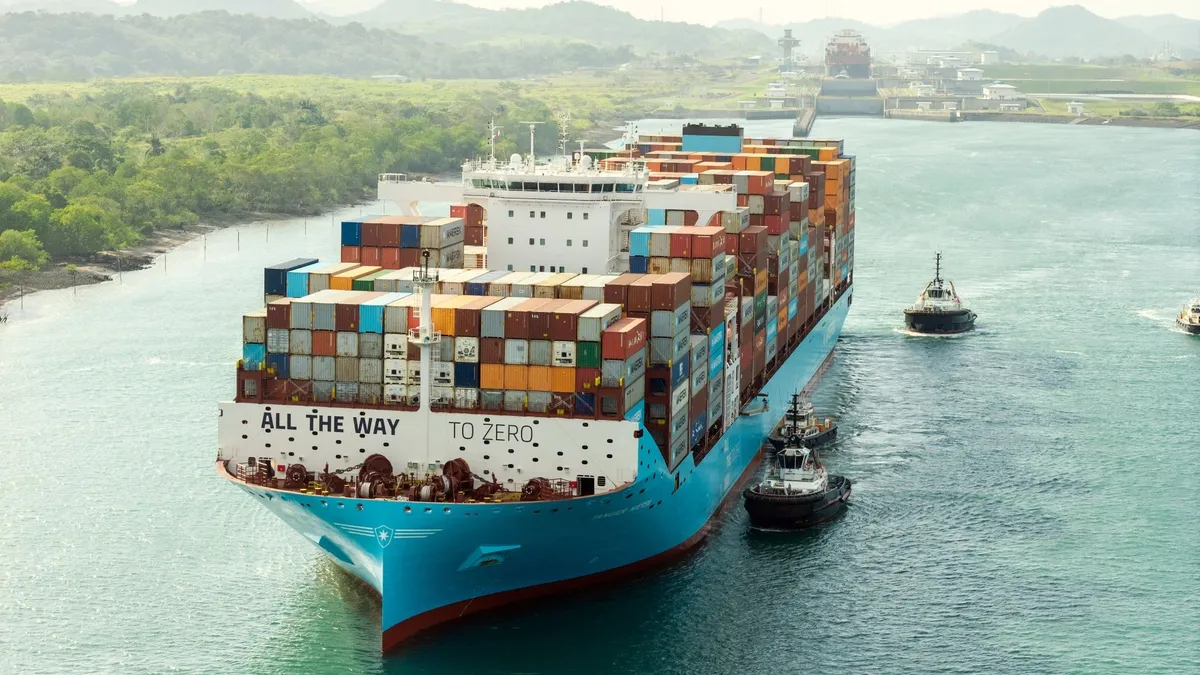
Image: FreightWaves
If you're about to buy from an overseas supplier and ship to China, you need a realistic China import tax figure before you sign. Below are the six questions we hear from buyers every week, with direct answers on duty, VAT, HS codes, Incoterms and the extra charges that affect landed cost.
1. What exactly is included in China import tax?
China import tax usually means import duty, value-added tax (VAT), and for certain goods consumption tax. The taxable base is the CIF value: the transaction price plus freight and insurance to China. Duty = CIF value × duty rate. VAT = (CIF value + duty) × VAT rate; consumption tax is added first for goods like tobacco, alcohol, cosmetics and some vehicles if applicable. Rates depend on the product's HS code and origin, so the first step is always classification. We help with HS classification and duty planning before you sign the contract.
2. How do I find the right HS code and China import tax rate?
You can't rely on a generic rate. China uses a 10-digit HS code, and the duty rate, VAT treatment and any licence requirements follow from that code. To classify correctly, we need the product name, composition, function, and sometimes photos or a datasheet. A one-word product name such as "machine" can land on several codes with very different duties. That's why we review the full description and supporting documents before the declaration. Use our HS Classification & Duty Planning service to lock the code and lawful duty plan before goods ship.
3. What certificates, registrations or licences do I need before the cargo leaves?
It depends on the commodity. Food, wine, dairy, cosmetics and chemicals often need registration, a Chinese label design, and pre-shipment certificates. Machinery may need a catalogue, CE or origin documents, and used equipment may require extra inspection. If you ship without the right paperwork, customs can hold the goods, and storage or demurrage adds to your China import tax and total cost. We check the document list and labelling requirements against the HS code and the China entry port before your supplier ships. For a single responsible party, our China Import Agent & Importer of Record service includes import licences in our name.
4. Who pays the import tax under Incoterms?
Under DDP the seller is responsible for paying import duty and VAT and delivering to your door; under CIF, CFR, DAP or EXW, the buyer is the importer of record in China and must arrange payment. But even DDP may require a local importer of record if the seller does not have a China entity. In practice, we often act as the importer of record and coordinate the delivery, whether the quote is DDP or the buyer arranges clearance. For a single landed-cost figure, use Door-to-Door & DDP Delivery to China.
5. What are the hidden costs buyers forget in China import tax?
Besides duty and VAT, buyers forget that freight and insurance are included in the taxable value, so high freight rates directly increase the import tax bill. Ocean rates remain elevated on major east-west lanes, with congestion, fuel costs and disruptions supporting prices (FreightWaves); container lines reported a strong Q3 but analysts see rate gravity strengthening toward year-end (Seatrade Maritime). On top of that, expect port charges, customs inspection, re-labelling, demurrage and detention, and valuation queries that can add days and costs. We build these into the quotation so the landed cost matches the invoice.
6. How long does China import clearance take, and what causes delays?
For standard sea freight with complete paperwork, customs release typically takes a few days after arrival, but inspection or a classification dispute can add a week or more. The main causes of delay are: HS code disagreements, declared value too low, missing certificates, Chinese label not ready, or cargo arriving before the documents. The best way to avoid delay is to submit the declaration before the vessel docks and to pre-check the HS code, valuation and label. That's why we prepare import customs clearance before arrival.
If you need a China import tax figure you can trust, send the product name, HS code if you have one, origin and destination to SeeHog. We will reply with a document checklist and a landed-cost quotation that includes duty, VAT, freight and clearance—so you can quote your buyer with confidence.
Frequently asked questions
Do I need a Chinese company to clear goods and pay import tax?
No. SeeHog can act as importer of record, pay import duty and VAT, and issue the Chinese VAT invoice, so you can sell to a Chinese buyer without registering a local entity.
Can you give me a binding import tax figure before shipment?
We can prepare a landed-cost quotation once we receive the product name, HS code if known, origin and destination. Until then, the duty and VAT are indicative because the rate depends on the confirmed 10-digit HS code.
What if customs challenges my declared value or HS code?
We review the commercial invoice, contract and product documentation before declaration, and support you during a customs valuation or classification query to reduce release delays.
Do I pay import tax twice if I store goods in a bonded warehouse?
No. In a bonded warehouse, duty and VAT are suspended. You pay only when goods are released for domestic sale, or re-export without paying import tax.
This article was compiled with automated research and reviewed against the cited sources.