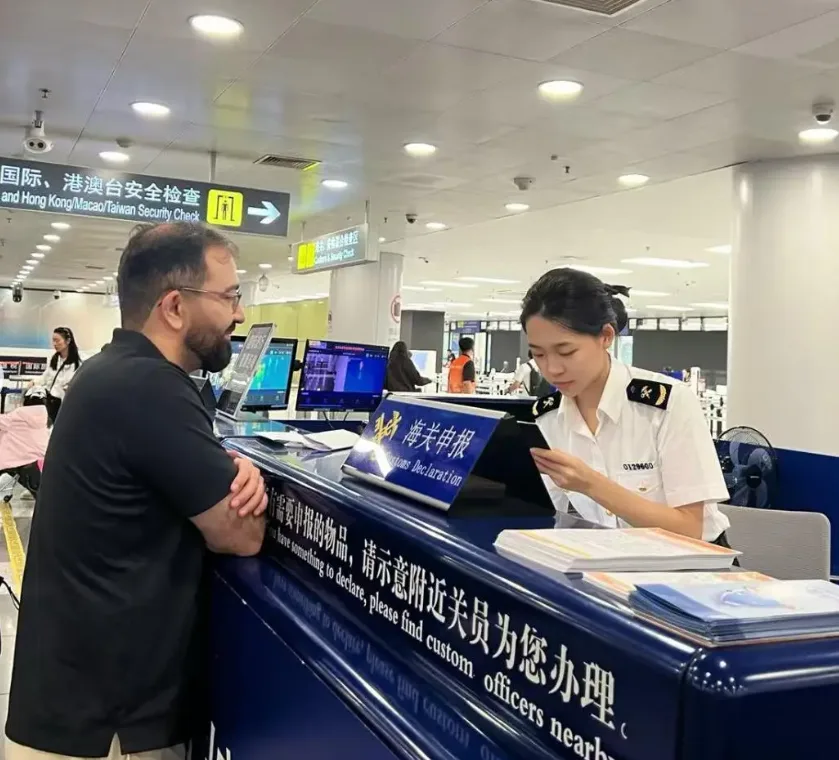
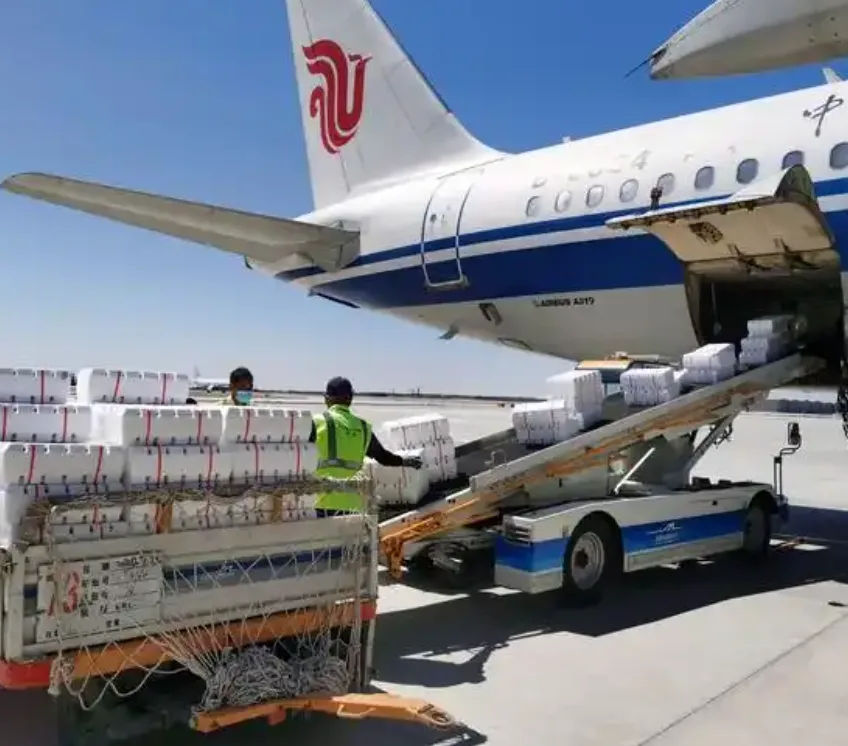
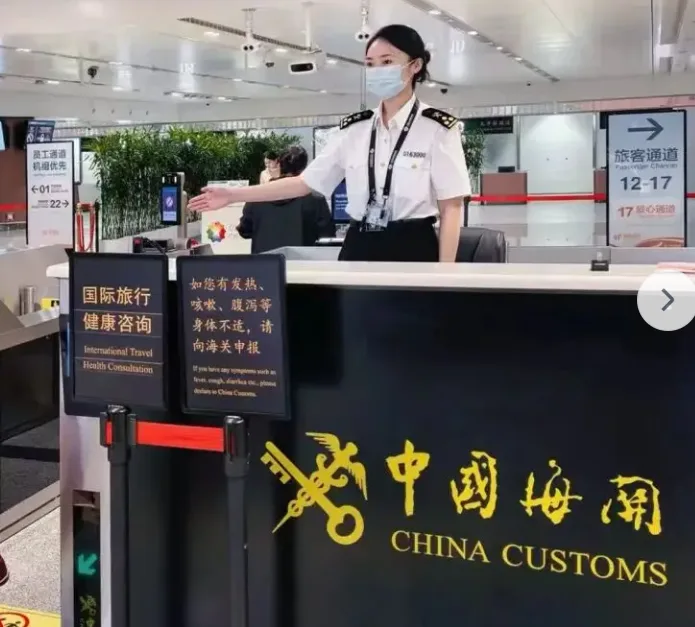
Customs Clearance Agent China Multi Port Coordination
Shipping to several Chinese ports? Our customs clearance agent China team coordinates Shenzhen, Shanghai and Ningbo entries under one standard.
By SeeHog Logistics editorial team
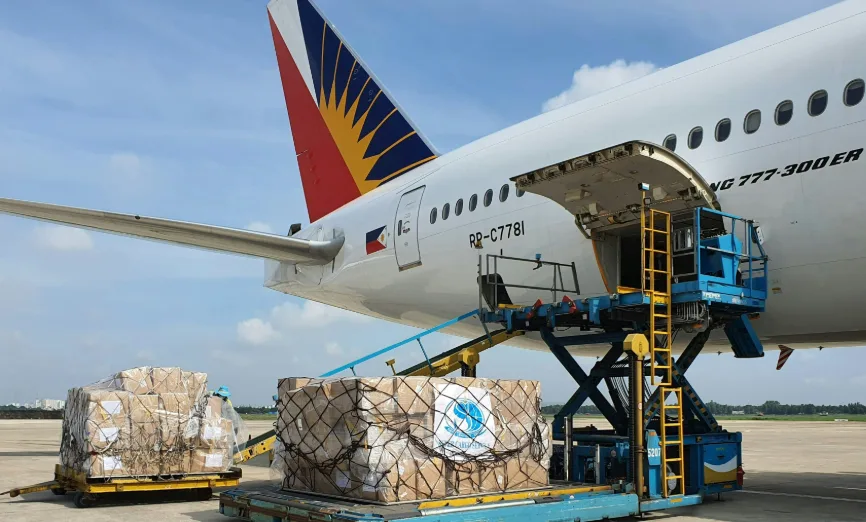
Buyers who source from several provinces rarely ship through a single Chinese port. Cable comes from Guangdong, switchgear from Jiangsu, battery modules from Zhejiang, and each consignment lands at a different terminal under different local practice. The problem is not that any one port is difficult. The problem is that three separate local brokers interpret the same regulation three different ways, and your compliance standard becomes whatever the nearest office happens to prefer.
A customs clearance agent China should remove that inconsistency, and this is where our structure differs from the usual arrangement.
We run one technical standard across Shenzhen, Shanghai, Ningbo and other South and East China ports. The classification logic applied to a transformer in Guangdong is the same logic applied to the same model in Zhejiang, because the entry is prepared from a central technical file rather than rebuilt locally for each port. Your HS code, your declared value structure, and your certificate references stay consistent across every shipment, which matters more than most buyers realise. Customs maintains cross port price and classification data, and an inconsistency between two of your own entries is a faster route to a query than any single declaration error.
On filing, we submit through the China International Trade Single Window with attachments matched line by line to the declaration. Where a port applies a local interpretation that differs from the national rule, we document it, escalate it properly, and record the outcome so the next shipment from that port is prepared for it rather than surprised by it.
On timing, we plan each entry around the free time available at the specific terminal, not a generic assumption. Free storage and free container use differ by port and by equipment type, and a reefer or an open top unit accrues charges far faster than a standard dry container. We sequence arrival, filing, tax payment, release, and pickup so that the container is moving rather than waiting, and we hold inland transport capacity against the expected release date instead of arranging it afterwards.
On cash flow, we calculate duty and VAT before the goods arrive so your finance team books the exact amount rather than a contingency. Where your volume justifies it, we arrange deferred or consolidated tax payment, and we evaluate whether routing high value equipment through bonded storage lowers your total exposure. For buyers running regular programmes, we build a standing declaration template per SKU and retain the full technical and commercial file, so a post clearance audit years later is answered from records rather than from memory.
On certification, we check scope model by model. Where a product sits within the compulsory certification catalogue, we confirm the certificate covers the exact model, rated voltage, and frequency configuration being shipped, since Chinese grid standards assume 50Hz operation and a certificate issued for another rating will not support the entry.
On reporting, you receive one consolidated monthly statement covering every port, every shipment, and every charge, with government fees, our service fee, and third party costs shown separately. You will not need to reconcile four invoices in four formats to understand what a quarter of importing actually cost you.
Send us your product list, supplier locations, and destination ports for a written multi port clearance plan and fee structure. Contact our customs clearance agent China team by email or WhatsApp at +86 15221865538.