Customs Clearance Hong Kong For Power Equipment
Customs clearance Hong Kong for power equipment, PV cable, transformers and storage systems. Free port routing, declaration within 14 days, one team handling both ends.
By SeeHog Logistics editorial team
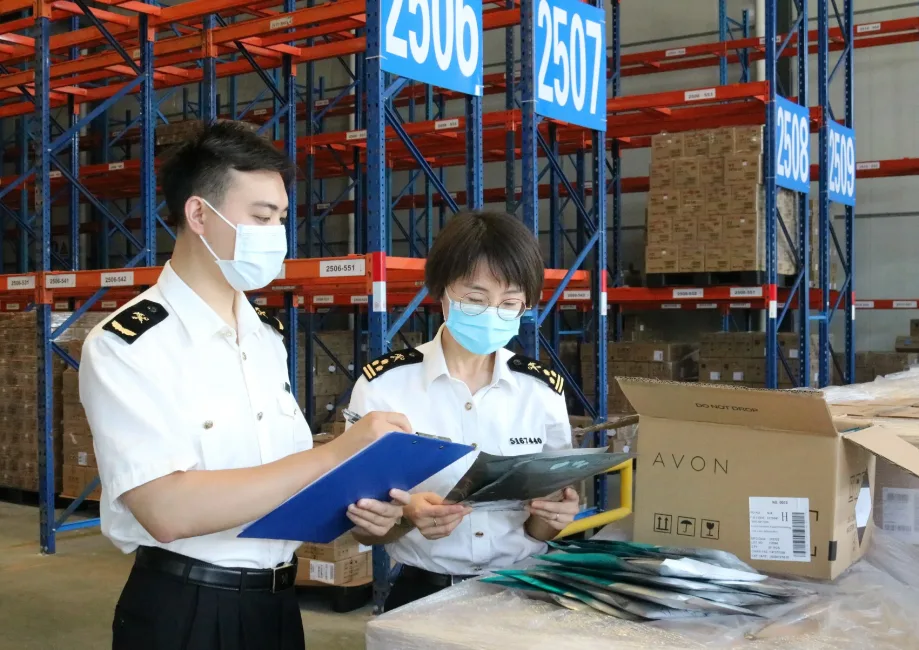
Hong Kong is one of the few places where customs clearance Hong Kong is genuinely fast, because the territory is a free port. General goods, including electrical equipment, enter without import duty, and there is no VAT, consumption tax or service tax on the way in. Only four categories attract duty, namely alcohol, tobacco, hydrocarbon oils and methanol, and none of them cover transformers, switchgear, photovoltaic cable or energy storage systems. That is why so many buyers route power equipment through Hong Kong before onward shipment.
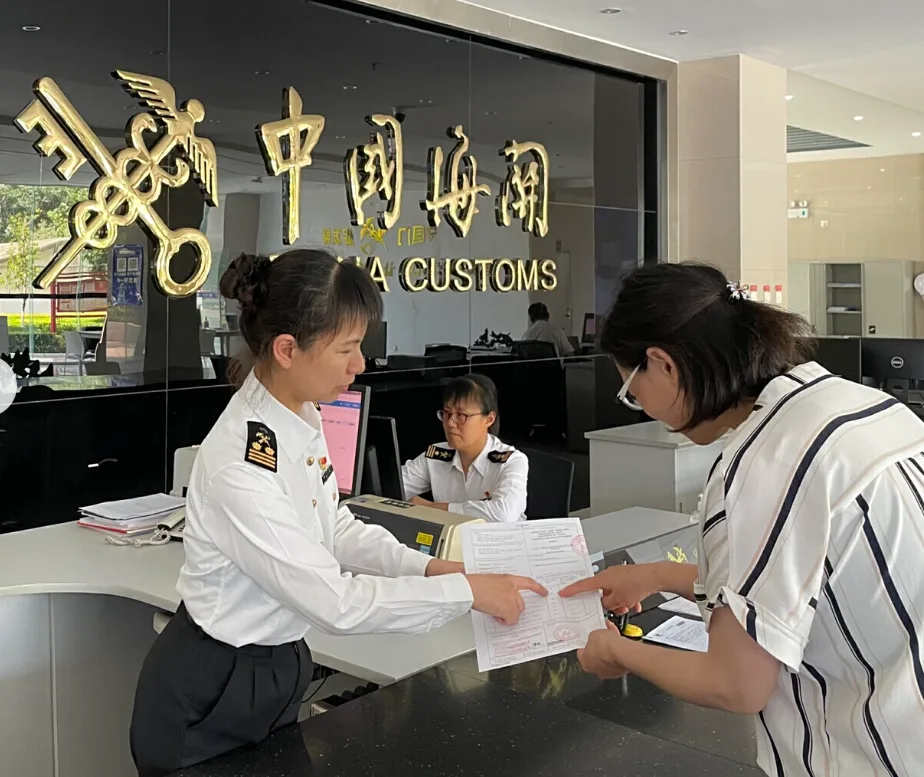
The obligation that catches people out is the declaration deadline. Under the Import and Export (Registration) Regulations, an accurate and complete import or export declaration must be lodged within 14 days after the goods arrive or leave, with public holidays counted as extensions, and failure to declare can attract a fine of up to HK$10,000 plus prosecution. Declarations are filed electronically through the Trade Single Window or the electronic cargo systems, and the third phase of the Trade Single Window is being rolled out in batches from 2026, replacing parts of the older systems. For non food imports the correct form is Form 1, and lodging a consignment on the wrong form is treated as if no declaration was made at all.
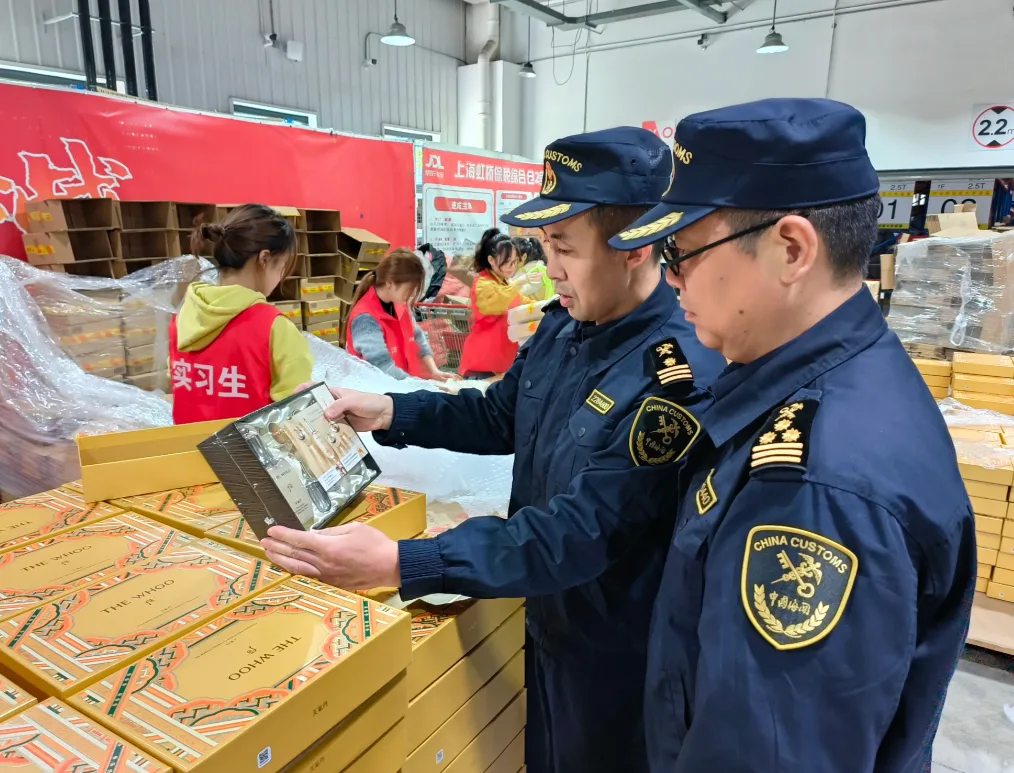
The second issue is documentary consistency. The commercial invoice, packing list, bill of lading or air waybill, trade contract and company business registration certificate must agree on product name, HS code, value and origin, and the invoice must state the real trade term rather than vague wording such as sample or gift. For electrical equipment we also attach the nameplate data, the rated capacity, voltage class and frequency, and the conformity certificate scope, because these are what an officer checks when a consignment is selected.
The third issue is regulated categories. Strategic goods, dangerous goods, radioactive material, pharmaceuticals, food and telecommunications equipment all require a licence or permit before clearance. Energy storage systems containing lithium cells fall under dangerous goods handling, so the transport document, the UN number and the packing group must be settled before the cargo is booked into a Hong Kong warehouse.
The fourth issue is what happens next. Many buyers use Hong Kong as a consolidation point rather than a destination, re exporting to the mainland, to Southeast Asia or to project sites in the Middle East. For goods moving onward into the mainland, the Hong Kong declaration and the mainland entry are two separate filings, and the paperwork must be prepared for both before the cargo moves, otherwise the goods sit in a bonded warehouse accruing storage charges. Where a consignment is re exported, the declaration is filed on Form 2 and the goods pass through at zero duty regardless of category.
Our advantage is that we are the manufacturer, not just a forwarding desk. We hold the production file for every unit we build, so nameplate values, test reports and certificate scope are available the same day an officer asks. We arrange collection from our Shenzhen and Dongguan plants, road transport into Hong Kong, warehousing, declaration filing, and onward booking by sea or air.
Send us the equipment list, the intended destination and whether Hong Kong is the final delivery point or a transit stop, and we will return the required document set, the declaration form to use, and the realistic timeline. Contact our team for customs clearance Hong Kong support by email or WhatsApp at +86 15221865538.