Customs Clearance Nansha For PV Cable And Transformer Export
Customs clearance Nansha for PV cable, oil immersed transformers and storage cabinets. HS 8504 subheading check, UN3295 DG packing, Nansha yard slot rules, factory files.
By SeeHog Logistics editorial team
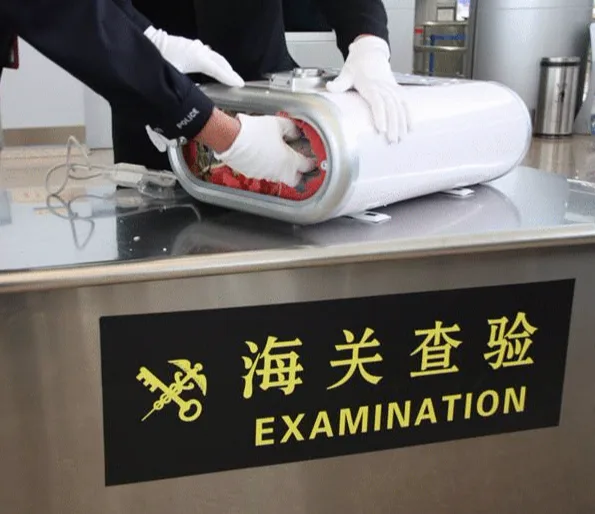
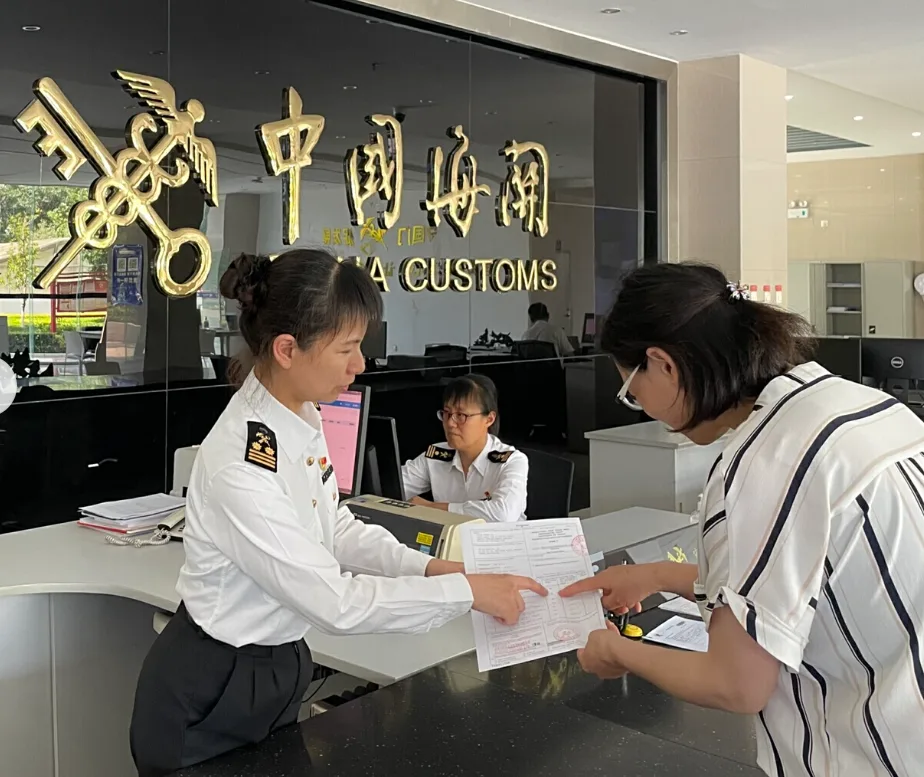
Most overseas buyers treat customs clearance Nansha as a paperwork task that their freight forwarder handles alone. In practice, the declaration data originates from the factory, and errors in capacity, cooling medium or packing material are baked in long before the container reaches the terminal. Because we manufacture solar cable, transformers and storage cabinets, we control the source data rather than passing along a sales description.
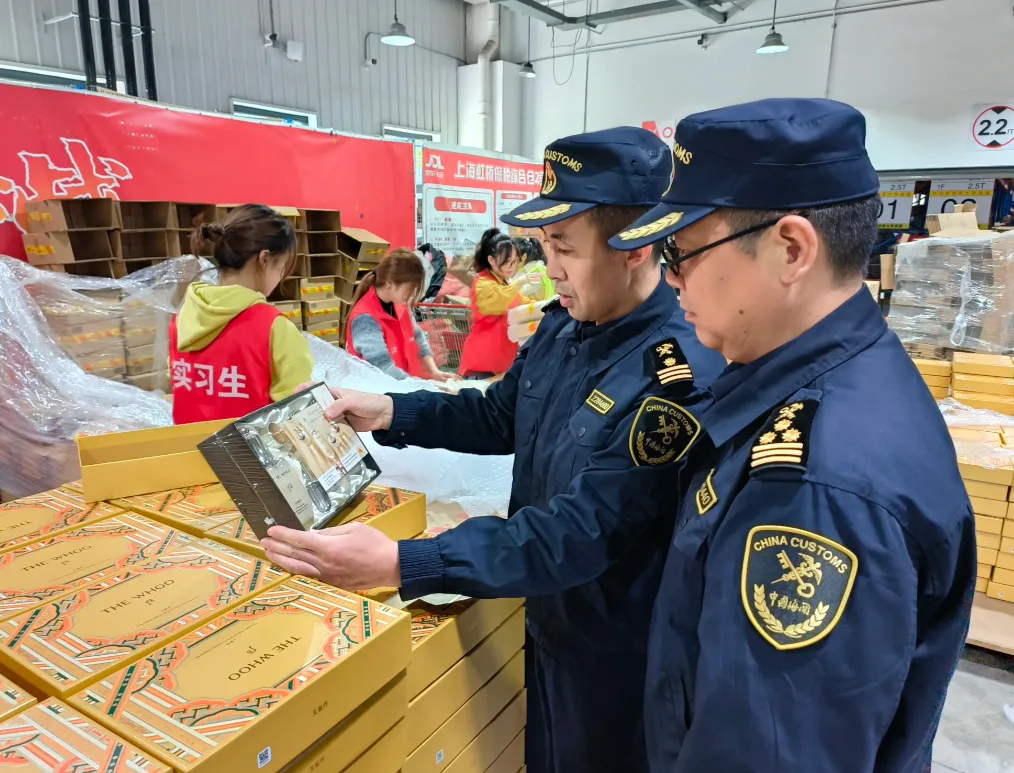
Verify the HS subheading against the nameplate, not the product name. Transformers sit under heading 8504, but the subheading is driven by two variables working together, rated capacity and cooling medium. For oil immersed units, 650kVA and below is 8504.21, from 650kVA to 10,000kVA is 8504.22, and above 10,000kVA is 8504.23. Dry type units follow 8504.31 at or below 1kVA, 8504.32 from 1 to 16kVA, 8504.33 from 16 to 500kVA and 8504.34 above 500kVA. A frequent error is declaring a 2000kVA oil filled unit under a dry type code because the commercial invoice simply says transformer. Customs treats this as misdeclaration, which triggers duty recovery, fines and a higher inspection rate on your future shipments. We send the nameplate photograph and the test certificate alongside the invoice so the code can be checked before filing.
Confirm the slot before arranging any haulage. Nansha operates a slot allocation system at the terminal, and for most services you need a confirmed container number in hand before applying for a yard slot. Shippers who dispatch a truck first and book the slot afterwards regularly arrive to find no available position, which means waiting, detention charges and a missed cut off. The sequence that works is booking confirmation, container number release, slot application, then loading and gate in. We plan backwards from the maritime cut off for your specific service line rather than forwards from our production completion date.
Dangerous goods packing has fixed physical requirements. For oil immersed transformers classified under UN3295 as Class 9, the packing is not flexible. A leak proof membrane must line the case, a bottom oil tray must sit beneath the unit, and Class 9 labels must appear on all four exterior faces of the container. Loading may only be performed at a maritime registered hazardous cargo yard. Attempting to load at an ordinary factory floor or with a standard general cargo truck carries substantial penalties and, more importantly, a real risk of oil leakage during transit. Dry type resin transformers contain no insulating oil and travel as general cargo, which removes the DG surcharge entirely and is worth weighing at quotation stage.
Storage cabinets need the current stowage classification. A pre assembled photovoltaic storage unit with batteries already installed falls under UN3536 Class 9, which is a separate entry from loose lithium batteries under UN3480. Following the IMDG Code 42-24 amendment that became mandatory on 1 January 2026, the stowage category for UN3536 is D. This means deck stowage only, no under deck loading, and separation from heat sources and accommodation spaces. The container must display a valid CSC safety approval plate, UN3536 marks on all four sides and the total installed battery energy in kWh marked at the door. If your own team loads the container, a qualified maritime packing officer must supervise. Otherwise commission the work to a licensed DG warehouse.
Wooden packaging marks are checked at both ends. Every wooden case, pallet and dunnage piece must carry the IPPC mark. Customs authorities in Vietnam, Thailand and Indonesia destroy unmarked packaging when they find it and bill you for the resulting demurrage. We apply ISPM-15 heat treatment or fumigation as standard and photograph each mark before the container is sealed, then include the photographs in your shipping document set.
Destination certification must be settled before booking, not after arrival. Thailand requires TISI certification under TIS1573 for oil type or TIS1814 for dry type on grid connected units rated 50kVA and above, and accepts only Dyn11 vector groups. Vietnam requires CR certification with a local importer as the certificate holder, which a Chinese factory cannot hold independently, and the process takes two to three months. Malaysia requires SIRIM certification for grid connected units, and TNB likewise recognises only Dyn11. We verify the full certificate set against your destination country before the booking is confirmed.
Send us your equipment list with transformer type and rated capacity, cable cross sections and your destination country. We will confirm the correct HS code, the classification route, the accepting yard, the certificate set your buyer needs and a delivery timeline built around the Nansha cut off.Email us or add WhatsApp +86 15221865538