Food Import Customs Clearance China GACC Registration And Labeling
Food import customs clearance China. GACC registration under Decree 280, Chinese label review, importer filing, sampling, duty and VAT position. Send your product list.
By SeeHog Logistics editorial team
Most failed shipments in food import customs clearance China are not caused by anything that happened at the port. They are caused by a missing registration number, an illegal additive, or a label that was designed for a European shelf rather than a Chinese one. Every one of these is fixable before the goods leave the factory, and none of them are fixable after the container is on the water. That is the entire argument for doing the compliance work first.
Start with GACC registration, because nothing else matters without it. Since 1 June 2026, Decree No. 280 of the General Administration of Customs replaced Decree No. 248 as the governing rule for registration of overseas production enterprises. The registration number is the factory's identity card in China, and without it the goods cannot be declared at all. Two things catch exporters out. First, the applicant must be the overseas production enterprise itself, not the Chinese importer, so an importer cannot fix a missing registration on your behalf. Second, for the high risk categories, including meat and meat products, casings, aquatic products, dairy, bird's nest, bee products, eggs, edible oils, stuffed pasta, edible grains, grain flour and malt, dehydrated vegetables, seasoning powder, nuts and seeds, dried fruits, special dietary foods and health foods, registration must be recommended by the competent authority of your own country, and you cannot apply directly. Everything else, such as beverages, wine, confectionery and most edible oils outside the listed scope, can be self applied through the registration management system with a compliance undertaking signed.
Print the registration number on the smallest sales package. This is a separate obligation from holding the registration, and it is where otherwise compliant shipments get rejected. The China registration number, or the number approved by your own competent authority, must appear on the retail packaging of food produced on or after 1 January 2022. A missing or misprinted number can force the entire consignment to be returned. If you run one factory across several product categories, each category needs its own registration, and numbers must never be shared across categories.
Check your ingredient list against Chinese national standards, not your home standards. This is the second most common failure. An additive, a novel food ingredient or a contaminant level that is perfectly legal where you manufacture may be prohibited, restricted or capped differently in China. The full ingredient list must fall inside what the Chinese national food safety standards permit, and where a new food raw material or a new additive is involved, a separate approval route applies before import. Send us the complete formulation and we will check each ingredient against the applicable standard before you commit to a production run.
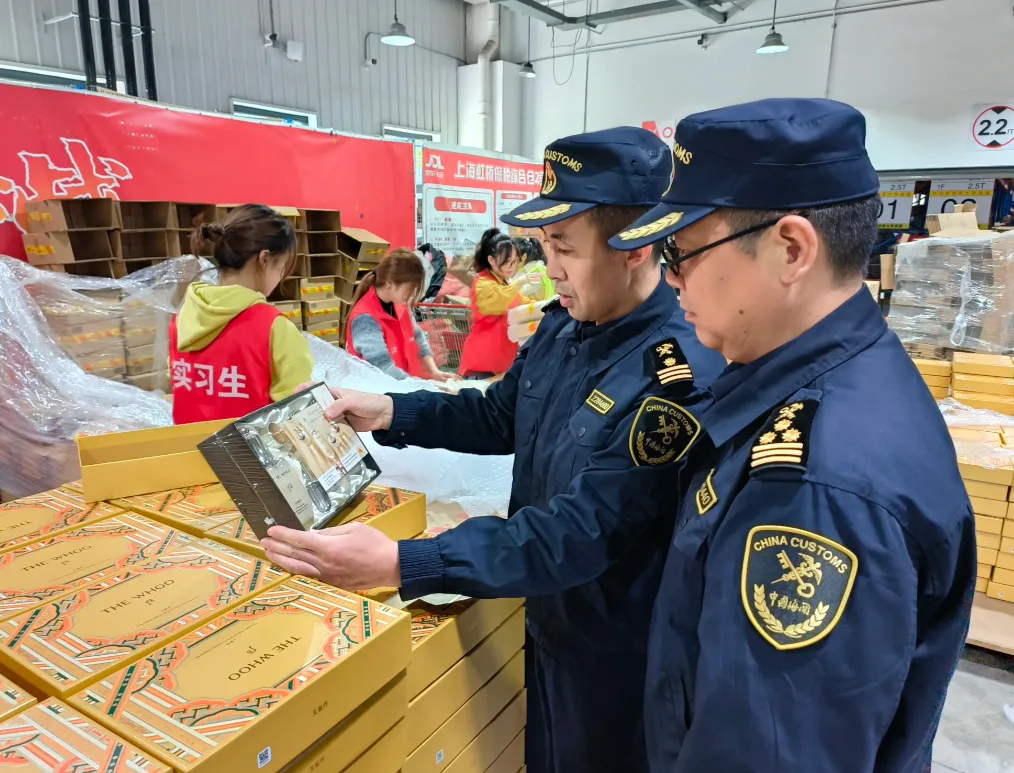
Chinese labeling is now verified at the border, not pre approved. Since 1 October 2019 the pre import label filing requirement was abolished, and the label is instead examined as part of the food inspection itself, with the importer responsible for confirming compliance beforehand. That sounds lighter but it is actually stricter, because there is no pre clearance safety net. A compliant label must show the food name reflecting its true attribute, the ingredient list in descending order of加入量, net content and specification, producer or distributor details, country of origin, production date and shelf life in year month day order, storage conditions, and a nutrition table covering energy, protein, fat, carbohydrate and sodium with NRV percentages. Where foreign text appears alongside Chinese, the foreign font must not be larger than the corresponding Chinese characters. For health food and special dietary food the Chinese label must be printed directly onto the smallest sales package and cannot be applied as a sticker in China.
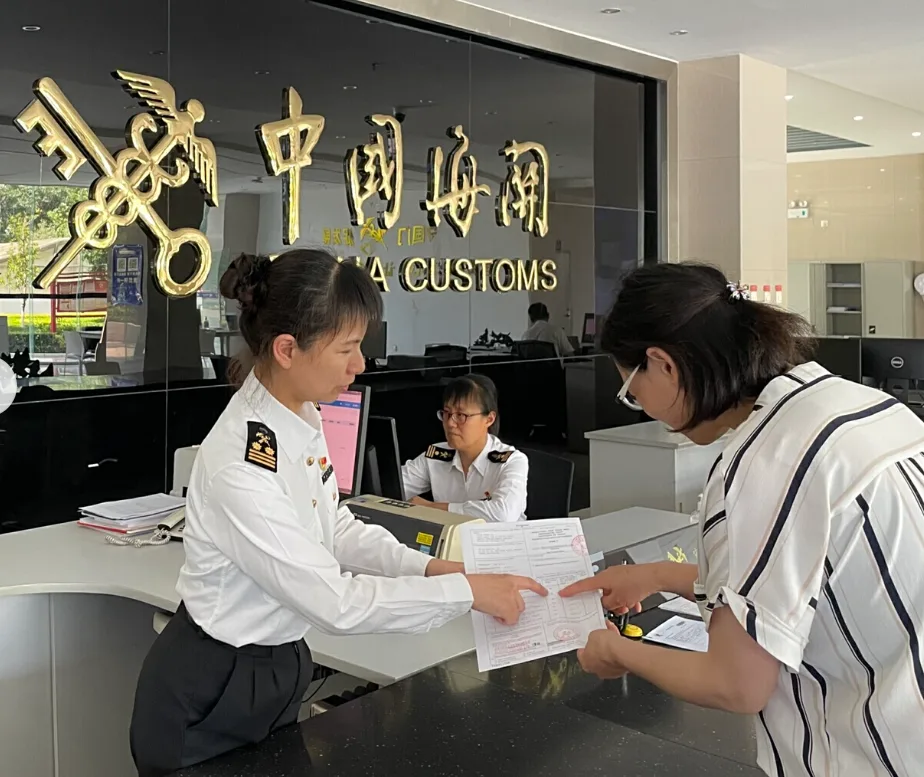
Both sides of the trade need filing before declaration. The overseas exporter or agent must file with GACC and obtain a filing code, and the Chinese importer must hold a business licence covering food import or sale, an importer and exporter of goods filing, and a valid food business licence, with wine importers additionally needing a circulation filing. Under the 2026 rules, importer filing is confirmed within three working days of a complete application and filings remain valid long term, with changes to be reported within sixty days.
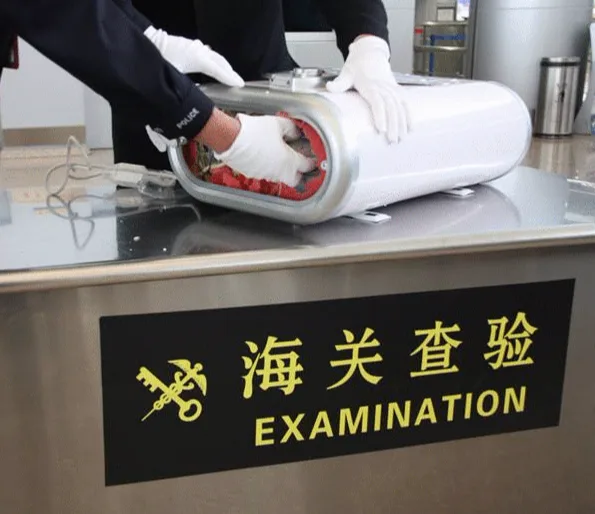
Plan for quarantine permits and for the inspection outcome. Animal and plant origin foods need an Entry Animal and Plant Quarantine License applied for before the trade contract is signed, valid for twelve months. At the port, customs assesses risk by HS code, origin and company credit, then applies document review, physical inspection or laboratory sampling covering microbiology, pesticide residues and heavy metals. Sampling typically runs seven to fifteen working days, and only after everything passes does customs issue the Entry Cargo Inspection and Quarantine Certificate that allows sale. If a safety, health or environmental parameter fails, the goods are ordered destroyed or returned, and there is no remediation option; only non safety defects may be technically treated under customs supervision and re inspected.
Costs vary widely by product and origin. Most processed foods attract thirteen percent VAT while agricultural products, edible vegetable oils and edible salt attract nine percent, and most favored nation duty rates on food range broadly by heading and origin, with preferential or zero rates available under free trade agreements where a valid certificate of origin is presented. Excise applies only to specific items such as alcohol, not to ordinary food.
Send us your product name, full ingredient list, HS code if known, country of origin, factory name and packaging artwork. We will tell you whether your factory needs official recommendation or can self register, whether your ingredients are permitted, whether your label passes, and what duty and VAT position to expect. Email us or add WhatsApp +86 15221865538 and we will return a written pre import compliance assessment for your specific product.