Medical Device Import Clearance China NMPA Rules Explained
Medical device import clearance China. NMPA certificate 612 or 629, Chinese label, two stage inspection, HS codes, duty and VAT. Send your device name and model.
By SeeHog Logistics editorial team

Ask a hospital procurement officer why a CT scanner sat idle for three weeks and the answer is almost never customs. In medical device import clearance China, the container is usually released quickly. The delay comes afterwards, because China operates a two stage admission system and most overseas suppliers have never heard of it. Port release only means the goods may leave the bonded warehouse. Selling, installing or putting the device into clinical use requires a second inspection at the destination, and only the entry cargo inspection and quarantine certificate makes the machine legal to operate.
Stage one is the NMPA certificate, and nothing proceeds without it. Class I devices need a filing certificate, number format 国械备, declared as goods attribute 34. Class II and III devices need a registration certificate, number format 国械注进, declared as 35 for class II and 36 for class III, and the certificate is valid for five years. The certificate number is entered in the Single Window and verified electronically against NMPA data, so paper copies no longer help. The decisive detail is that product name, model, specification and serial number on the certificate must match the physical goods, the nameplate and the invoice exactly. One client wrote Portable Ultrasound on the invoice while the certificate read 便携式超声诊断设备, and the system auto blocked the declaration for half a month.
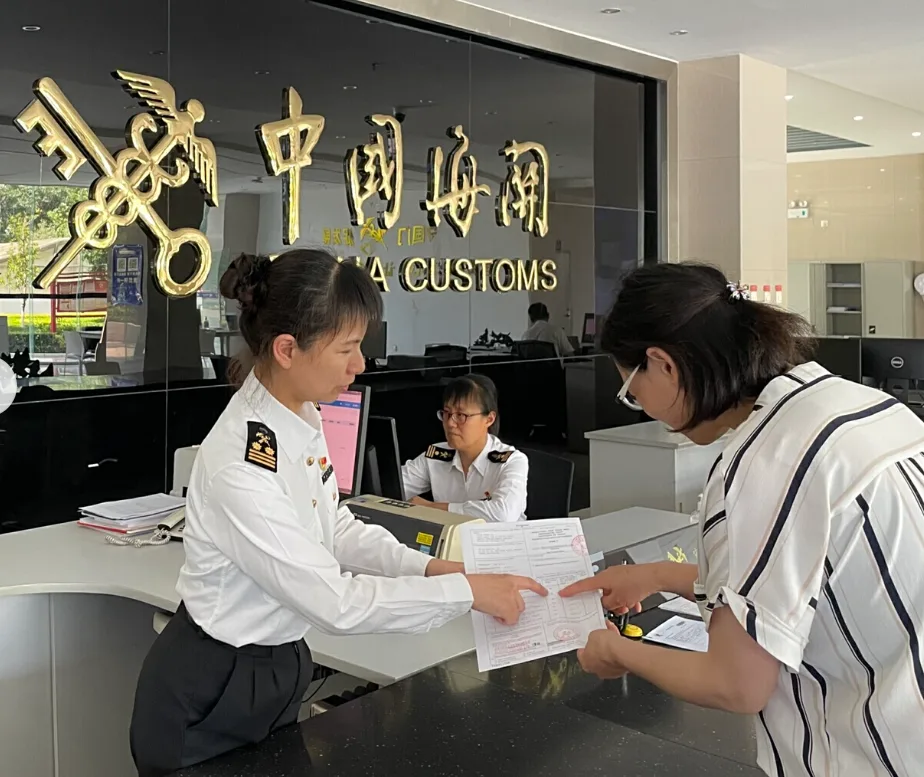
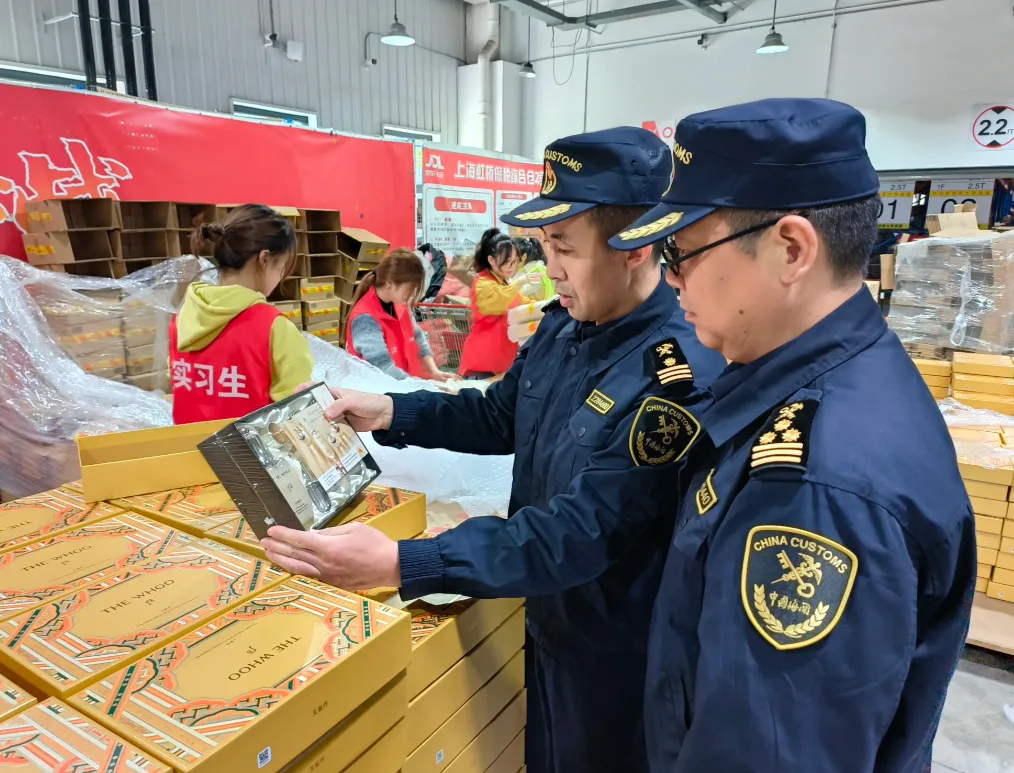
Stage two is the destination inspection, and this is where plans collapse. After port release the goods move to the warehouse or hospital site, where the local customs office inspects them on location. Large equipment is often inspected only after installation and commissioning are complete. The inspector verifies consistency of name, model, specification, quantity and origin, checks the Chinese label and instructions, and may sample for laboratory testing. Typical timing is five to eight working days for small and medium devices, but seven to twenty days for CT and MRI systems. If you told your customer the machine would be running in a week, this stage is why it will not be.
Chinese instructions and labels are a legal condition of import, not a formality. Under the Regulations on the Supervision and Administration of Medical Devices, an imported device without compliant Chinese instructions and labels may not be imported at all. The instructions must state the country of origin and the name, address and contact details of the Chinese legal entity appointed by the overseas registrant. Print the Chinese nameplate and manual at the factory before shipment. Applying labels at the port triggers rectification, and the goods keep accruing storage charges while you wait.
Licences depend on what your device contains. Large radiological and imaging equipment such as CT and MRI needs an automatic import licence, the O licence, which takes around twenty working days, so apply well before shipment. Devices inside the CCC catalogue need a China Compulsory Certification certificate, and the exemption route is often slower than obtaining the certificate itself. Radiation emitting devices additionally require a radiation safety permit. In vitro diagnostic reagents need special item approval plus temperature control records for cold chain shipments. Surgical instruments containing titanium or other protected materials need a CITES permit.
Some categories face restricted ports of entry. High risk devices such as cardiac pacemakers may only enter through designated ports including Beijing, Shanghai and Haikou, and must be tested by nationally recognised laboratories, while certain high risk ventilators are cleared only in eight designated provinces and municipalities. Confirm the permitted port before you book freight, because re-routing a container mid-voyage is expensive.
Used and donated devices are largely barred. Used medical equipment is in principle prohibited from import, and violations attract fines of five to twenty percent of goods value. Donated devices must be unused new goods, must be filed with customs, and the donee must be noted on the declaration or the goods are detained.
Tax position rewards correct origin documentation. Import VAT is generally thirteen percent and duty typically ranges from two to eight percent depending on heading, with diagnostic equipment around two percent and surgical instruments around four percent. Under RCEP, equipment originating in Southeast Asia can enter duty free, and a valid certificate of origin is what unlocks it. Customs valuation also scrutinises whether royalties or software licence fees should be added to the dutiable value, so have payment records and technical agreements ready.
Send us the device name, intended class, NMPA certificate number if held, model and serial number format, HS code if known, whether it emits radiation, country of origin, annual volume and whether it is for commercial sale or research. We will tell you which certificate applies, whether an O licence or CCC is needed, which ports you may use, whether your Chinese label passes, and what duty and VAT to expect across both admission stages. Email us or add WhatsApp +86 15221865538 and we will return a written clearance feasibility assessment before you sign the purchase contract.