Sea Freight Customs Clearance China Cost And Time Guide
Sea freight customs clearance China. 14 day free storage, pre arrival declaration, DDP vs DAP, detention fees, 2026 port rules. Send your bill of lading for a plan.
By SeeHog Logistics editorial team
Most buyers budget for freight and duty, then discover that sea freight customs clearance China carries a third cost layer that was never quoted. Demurrage, detention, storage and inspection fees accumulate daily from the moment the container is discharged, and on a delayed electrical shipment they can exceed the freight itself.
The free time window is shorter than most importers expect. Once a container is discharged at the terminal, a limited free storage period applies before port storage charges begin. Shipping lines separately grant free time on the container itself, and once that expires, detention accrues per day per unit. These two clocks run independently and are charged by different parties, so clearing customs quickly does not stop detention if the empty container is not returned. For heavy cargo such as transformer units, cable drums and energy storage cabinets, the return of the empty container often lags behind clearance because site cranes are not scheduled, and this is where cost quietly builds.
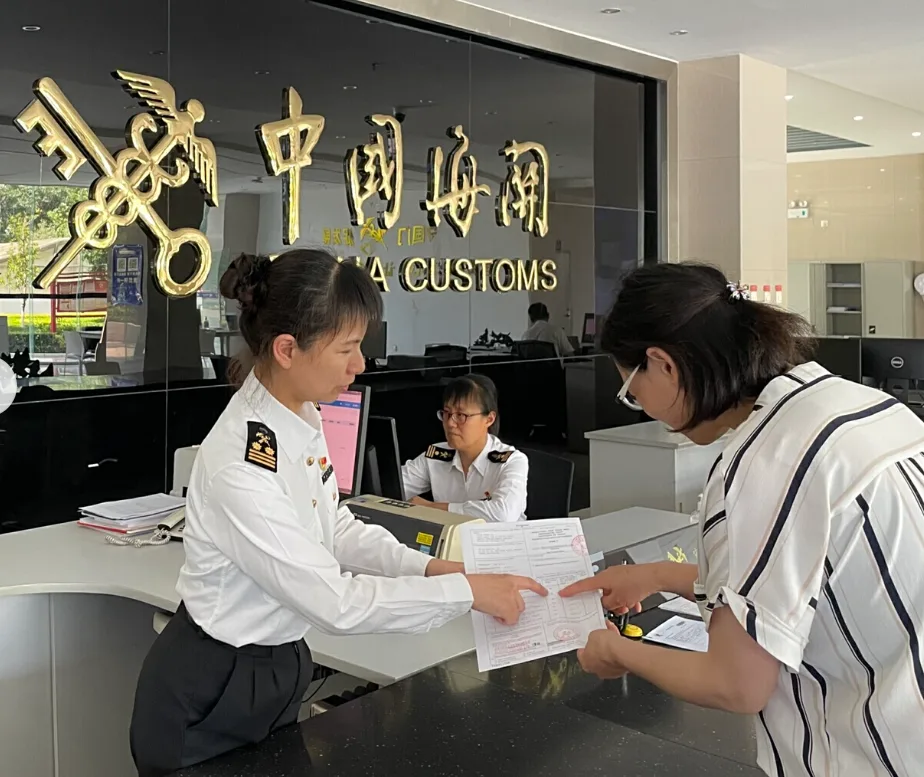
Pre arrival declaration is the single highest value action. Documents can be lodged before the vessel arrives, allowing customs to process risk assessment and, where no inspection is triggered, to release the goods on arrival. This converts a multi day queue into a same day pickup. The requirement is that the commercial invoice, packing list, bill of lading and any certificate are final and internally consistent before lodgement, because an amendment after arrival restarts the clock.
Incoterms decide who carries the risk, and many buyers choose wrongly. Under DAP the seller delivers to the named place but the buyer handles import clearance and pays duty and VAT. Under DDP the seller clears the goods and bears duty and VAT, which sounds convenient but often comes with a markup and removes the buyer control over classification. For capital electrical equipment where correct HS classification materially affects duty, buyers usually retain better outcomes by controlling clearance themselves or through their own nominated agent rather than accepting a supplier DDP quotation.
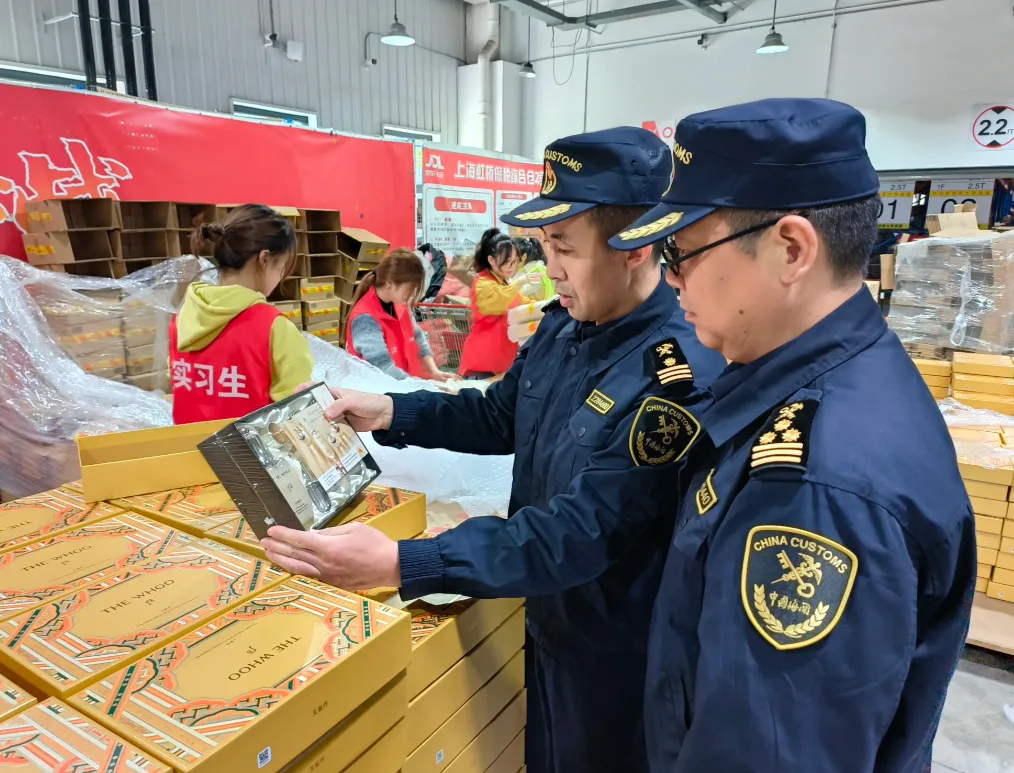
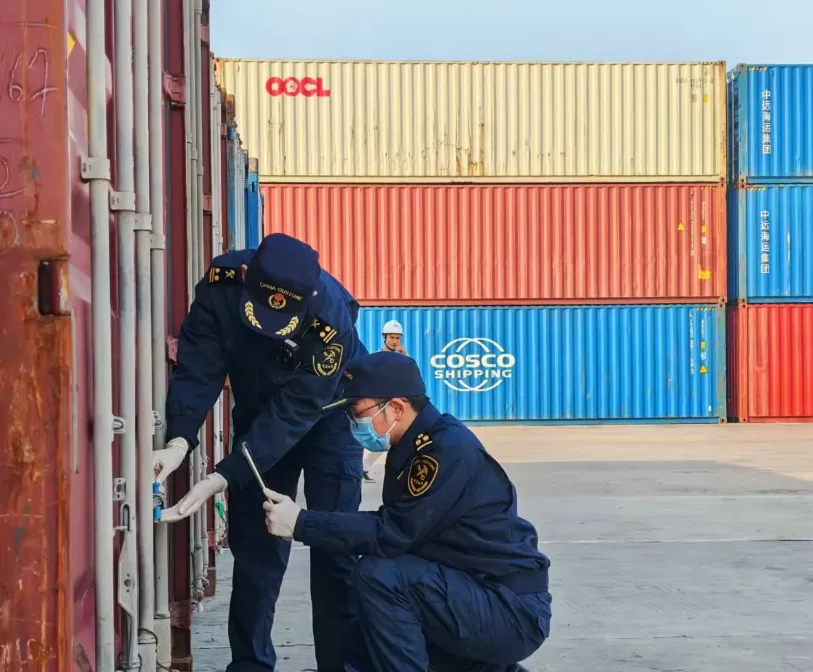
Inspection is the main variable in the timeline. Where a container is selected for examination, physical opening, unpacking and repacking are required, and the appointment depends on terminal and inspection capacity. Cargo containing lithium cells, dangerous goods, timber packaging or goods inside the compulsory certification catalogue carries higher examination probability. Preparing the UN38.3 report, the lithium battery test summary, the dangerous goods declaration and the IPPC marked packaging before departure removes the most common grounds for extended examination.
Documentation errors are the leading cause of delay. Mismatched gross weight between invoice and packing list, a consignee on the bill of lading that differs from the declaration entity, missing voltage rating or conductor material on cable invoices, and incorrect country of origin all trigger queries. Each query costs at least one working day, and several compound into a week.
Payment and release sequence. Duty and VAT must be settled before release, and where a guarantee or deferred payment arrangement exists it must be established with the customs authority in advance, not arranged after the container arrives. Bonded warehousing is a practical option where the site is not ready, since goods can be stored under customs supervision and cleared in stages without paying duty on the full consignment upfront.
Where we fit in. We manage the clearance side for electrical equipment moving by sea. We confirm the HS classification and duty exposure before shipment, verify CCC and certificate positions, check packaging compliance including IPPC marking on drums and crates, review the invoice and packing list line by line for consistency, lodge the declaration pre arrival, monitor the free time clocks and alert you before storage or detention begins, arrange inspection appointments, and coordinate pickup and empty container return so both clocks stop together. For project cargo we also arrange bonded storage and staged release to site.
Send us the commodity description with voltage rating and conductor material, the bill of lading number and discharge port, the container count and type, the Incoterms basis of your purchase, whether the cargo contains lithium cells or timber packaging, whether CCC is held, the consignee entity name, and your site readiness date. We will confirm the classification, the certificate position, the realistic clearance window and the total cost exposure including storage and detention risk. Email us or add WhatsApp +86 15221865538 and we will return a written clearance plan before your vessel arrives