China Port Customs Clearance Agent For PV Cable And Transformer
China port customs clearance agent for photovoltaic cable, transformers and storage cabinets. HS code check, territorial inspection, UN3536 filing, bonded consolidation, single contact.
By SeeHog Logistics editorial team
Buyers searching for a China port customs clearance agent usually arrive with a specific frustration. Their photovoltaic cable came from one factory, their transformer from another, their energy storage cabinet from a third, and each supplier handed them a different document set, a different HS code opinion and a different view on whether inspection was needed. Nothing matched, and the shipment stalled at the port. The fix is not a better broker. It is a single party who owns the whole export file.
We are that party, because we manufacture the goods. This is the structural difference. A standalone broker sees your paperwork after production ends. We see it before production starts, because the photovoltaic cable, transformers and storage cabinets in your order come off our own lines. That means the HS code, the supervision condition, the inspection requirement and the packing specification are settled at the quotation stage, not discovered at the terminal. When a buyer asks us which heading applies to a transformer with a specific tap changer, or whether a given cable construction falls under a duty free line at destination, the answer comes from the person who built the product.
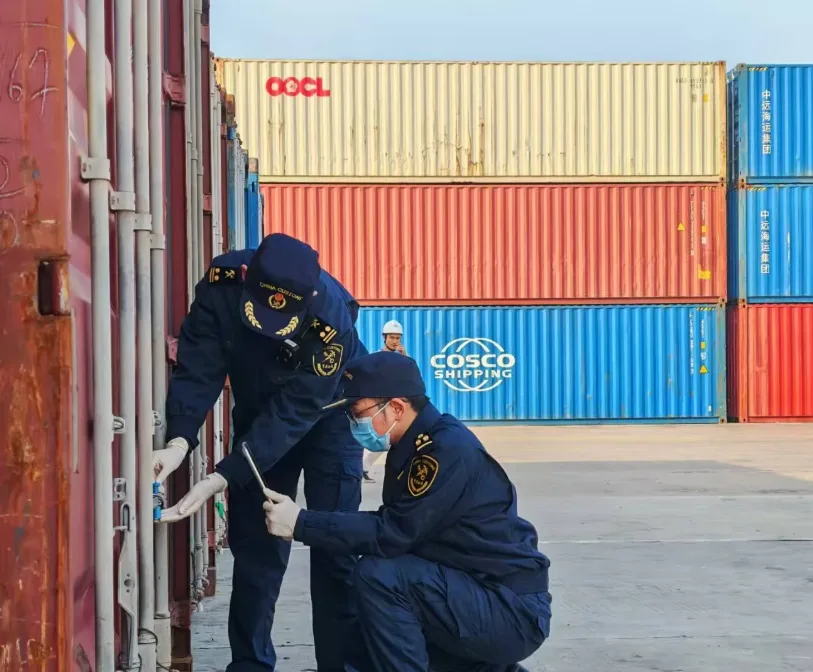
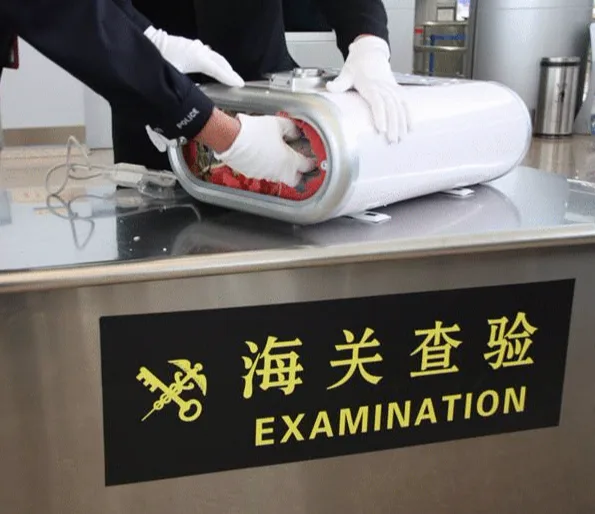
Territorial inspection is where most multi supplier orders break. Photovoltaic cable, transformers under heading 8504 and most electrical products carry supervision condition B, so statutory inspection happens at the customs district covering the production site, not at the departure port. The order is fixed, factory inspection first, electronic ledger issued second, then export declaration quoting that ledger number. Since the 2025 reform this runs on online electronic authorization between production unit, consignor and applicant unit, and where a trading company and a broker sit between factory and port, two authorization links must be live before booking. When we are both manufacturer and exporter of record, those links collapse into one, and the authorization gap that blocks so many shipments simply does not open.
HS code consistency protects your duty position at destination. A mismatch between the code we declare in China and the code your importer declares at home triggers valuation queries, delayed release and sometimes retroactive duty. We issue one code per product line, with the supporting construction description, and we share it with your clearing agent before the goods sail. For destinations covered by RCEP we also prepare the origin working paper showing bill of materials, ex works value and calculated regional value content, so your importer can claim preference without a surprise rejection.
Storage cabinets need one owner for the certificate chain. A containerised storage cabinet shipped as one integrated unit with batteries pre installed is classified UN3536, Class 9, special provision 389. Because the cabinet is the transport unit rather than a package, no dangerous goods packaging performance certificate is issued or required, and the substitute evidence is the classification society certificate plus the container certificate. Maritime filing runs about seven days before sailing and must complete before the carrier releases space, with the transport appraisal report headed in the exact name of the actual booking shipper. When the manufacturer, the shipper and the filer are the same entity, that name matches on the first attempt.
Battery and stowage rules are built into our production finish. State of charge is set at or below thirty percent before sealing, since random spot checks force return of overcharged units. Under IMDG 42-24, mandatory since January 2026, UN3536 is restricted to deck stowage and must be kept at least 2.4 metres from heat sources. Internal fixing is structural, bolts, rivets or welding through brackets with flame retardant filler, and ordinary foam is rejected at the terminal. Series and parallel circuits are disconnected and the PCS de energised before loading.
Packaging follows your discharge port climate. For humid tropical destinations we specify plywood cases with moisture barrier wrapping and desiccant, since manufactured board is IPPC exempt and resists fungal attack. Where solid timber is unavoidable, every case, pallet and dunnage piece carries the IPPC mark after heat treatment, photographed before sealing. Cable drums ship in treated plywood with sealed ends, because condensation inside a drum during a long voyage corrodes the conductor.
Send us your equipment list with cable cross sections and lengths, transformer rated capacity and unit weight, storage cabinet configuration and destination country. We will confirm the correct HS code, the territorial inspection office, whether bonded consolidation suits your order, the certificate set your importer needs, and a single point of contact who owns the file end to end. Email us or add WhatsApp +86 15221865538