Customs Clearance China Main Ports For Electrical Equipment Buyers
Compare customs clearance China main ports for PV cable, transformers and storage cabinets. Port selection logic, territorial inspection, UN3536 filing, bonded consolidation, lead time.
By SeeHog Logistics editorial team
Most buyers searching customs clearance China main ports are not looking for a list of ports. They are trying to answer one question, which Chinese port should their photovoltaic cable, transformer or energy storage cabinet shipment leave from, and what will that choice cost them in time, duty and risk. The answer depends less on geography than on three operational factors, and getting them wrong is what causes most delayed shipments.
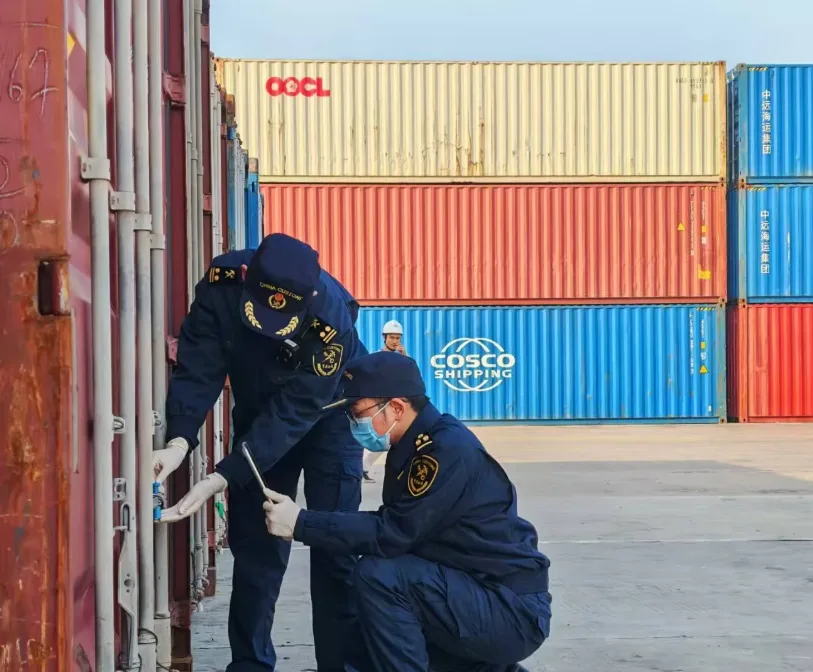
Factor one, territorial inspection decides your real start date. This is the point that catches buyers out. Photovoltaic cable, transformers under heading 8504 and most electrical products carry supervision condition B, which means statutory commodity inspection is performed at the customs district covering the production site, not at the departure port. The sequence is fixed, factory inspection first, electronic ledger issued second, then export declaration quoting that ledger number. Since the 2025 reform this runs on online electronic authorization between production unit, consignor and applicant unit, and where a trading company and a broker sit between factory and port, two authorization links must be live before booking. Choosing a distant port does not shorten this clock, but choosing a port served by your factory's customs district does remove one transfer leg.
Factor two, port selection changes your landed duty, not just freight. Routing through Xiamen opens RCEP preferential or zero duty for ASEAN, Japan, Korea, Australia and New Zealand destinations, and the certificate of origin can now be self declared by an approved exporter, removing the paper certificate from the document chain. Routing through Dalian gives the shortest sail to Korea, Japan and Russia's Far East. Northern ports suit heavy transformer units where road leg weight limits matter. We map your destination country against these three variables before proposing a port, rather than defaulting to the nearest one.
Factor three, bonded consolidation removes schedule risk. For buyers assembling a mixed solar plus storage package from several Chinese suppliers, bonded zones at Xiamen, Dalian and other main ports allow goods to enter as deemed exported. Cable drums, transformer units and storage cabinet modules from different works can be gathered inside the area and declared as one consignment once the set is complete. This removes the pressure of aligning three production schedules to a single vessel cut off and brings the export tax rebate forward.
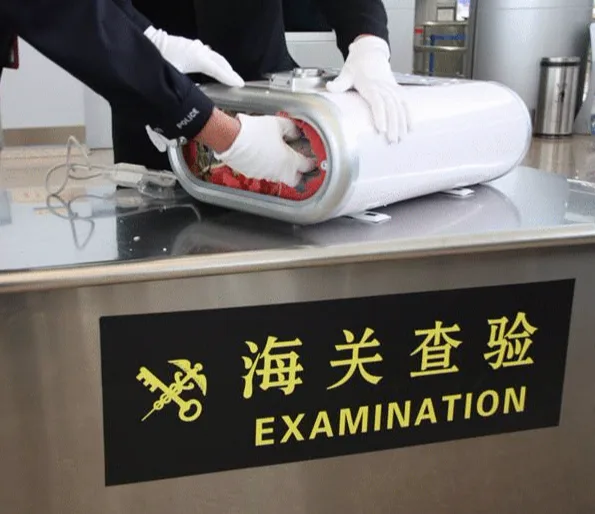
Storage cabinets carry a fixed certificate set at every port. A containerised storage cabinet shipped as one integrated unit with batteries pre installed is classified UN3536, Class 9, special provision 389. Because the cabinet is the transport unit rather than a package, no dangerous goods packaging performance certificate is issued or required, and the substitute evidence is the classification society certificate plus the container certificate. Maritime filing runs about seven days before sailing and must complete before the carrier releases space, with the transport appraisal report headed in the exact name of the actual booking shipper.
Battery and stowage rules apply uniformly across all main ports. State of charge must be at or below thirty percent for all sea freight, with random spot checks and forced return of overcharged units. Under IMDG 42-24, mandatory since January 2026, UN3536 is restricted to deck stowage and must be kept at least 2.4 metres from heat sources. Internal fixing must be structural, bolts, rivets or welding through brackets with flame retardant filler, and ordinary foam is rejected. Series and parallel circuits are disconnected and the PCS de energised before loading.
Packaging is specified per destination climate, not per port. For humid tropical discharge ports we specify plywood cases with moisture barrier wrapping and desiccant, since manufactured board is IPPC exempt and resists fungal attack. Where solid timber is unavoidable, every case, pallet and dunnage piece carries the IPPC mark after heat treatment, photographed before sealing. Cable drums ship in treated plywood with sealed ends, because condensation inside a drum during a long voyage corrodes the conductor.
Send us your equipment list with cable cross sections and lengths, transformer rated capacity and unit weight, storage cabinet configuration and destination country. We will confirm the correct HS code, the territorial inspection office, the optimal departure port for your duty position, whether bonded consolidation suits your order, and the certificate set your importer needs. Email us or add WhatsApp +86 15221865538 and we will return a written port selection and compliance plan for your specific order.