LCL Customs Clearance China Cost Control Guide
LCL customs clearance China. CFS devanning, House B/L, destination charges, storage risk, 2026 rules. Send your House B/L number for a written plan.
By SeeHog Logistics editorial team
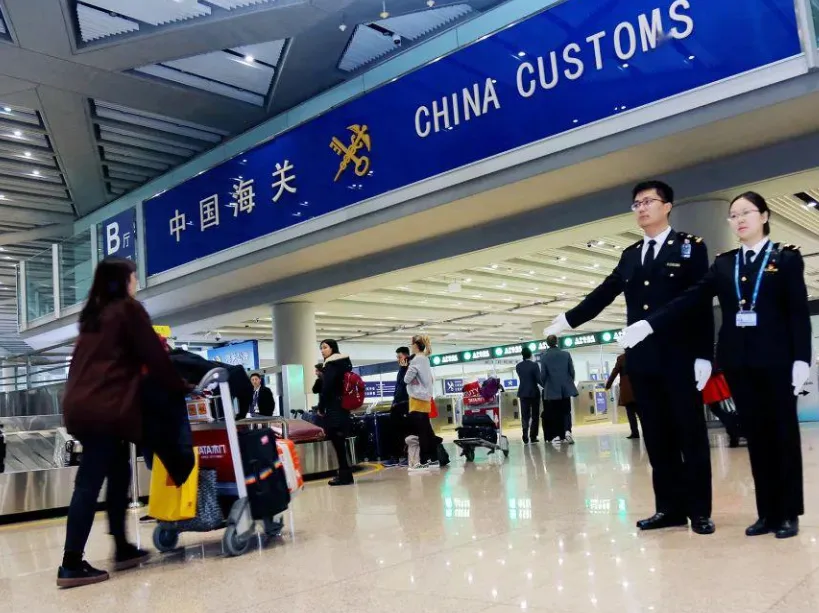
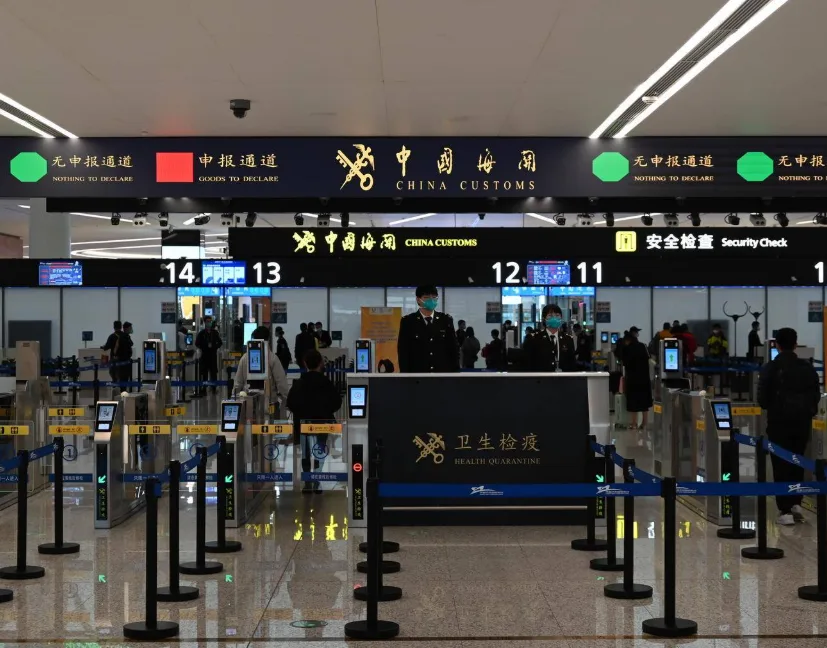
Buyers choosing less than container load shipping usually compare the ocean freight rate and stop there. LCL customs clearance China is where the real cost appears, because the destination charge structure is different in kind from full container load, not merely smaller.
The House B/L changes who controls the process. LCL cargo moves on a freight forwarder's House Bill of Lading rather than a carrier Master Bill, and the container is discharged to a container freight station rather than a yard. This means the consignee does not collect a container. The forwarder's agent devans the whole box, sorts the individual consignments, and the buyer then collects loose cargo from the CFS warehouse or arranges delivery. Every step in that chain carries a charge, and the buyer has less direct control over timing than in an FCL movement.
Destination charges are the largest hidden cost. Beyond the ocean freight paid at origin, LCL imports attract devanning or CFS handling charged per cubic metre, a documentation or distribution fee per consignment, customs clearance fees, and storage charged per day per cubic metre once the free period expires. Where the shipment is heavy relative to its volume, the W/M rule applies and freight is calculated on whichever is greater, weight or measurement, with a minimum of one cubic metre. Cable drums, coil packs and transformer cores are dense cargo, and a shipment quoted on volume alone can be re rated on arrival. Confirm the chargeable basis before booking, not after.
The free period is shorter in practice than buyers expect. Although nominal free storage runs three to seven days, LCL cargo cannot be collected until the container has been devanned and the individual consignment sorted, which itself consumes time after discharge. A declaration lodged only after arrival notice therefore starts the clock against a period that is already partly consumed. Lodging the declaration against the manifest before the container reaches the CFS is the single most effective way to protect the window.
Mixed cargo raises the inspection risk for everyone in the box. LCL containers consolidate goods from several shippers, and where one consignment carries a documentation problem the whole container can be held. For electrical goods this means the CCC certificate must be in place and must cover the exact model on the packing list, the packing list must state voltage rating, conductor material, cross section, core count and insulation type for each cable line, and wooden packaging must carry the IPPC mark. A clean, complete file on your consignment is also a courtesy to the other consignees in the same container.
Damage and shortage claims need to be made at the CFS. Because cargo is handled during devanning and sorting, the risk of packaging damage or piece count discrepancy is higher than in FCL. Any damage or shortage must be photographed and recorded at the point of collection, with the CFS receipt countersigned, because a claim raised after the cargo has left the warehouse is very difficult to establish.
Where we fit in. We manage LCL clearance for electrical equipment manufacturers and their overseas buyers. We confirm the chargeable weight or measurement basis before booking so you are not re rated on arrival, verify that the CCC certificate covers the exact model, pre classify the HS code and calculate duty and VAT exposure in advance, lodge the declaration against the manifest before devanning completes, monitor the free storage window and alert you before charges begin, coordinate collection directly with the CFS so your cargo is not left behind in the sorting area, inspect packaging condition at handover and document any damage on the spot, and arrange final delivery with the correct vehicle for dense cable drums or coil loads.
Send us the commodity description with voltage rating and conductor material, the House Bill of Lading number and discharge port, the piece count, gross weight and volume, whether the cargo contains lithium cells, whether CCC is held and which model range it covers, the declared value and currency, and your delivery address. We will confirm the chargeable basis, the certificate position, the realistic release window and the full destination cost including storage risk. Email us or add WhatsApp +86 15221865538 and we will return a written clearance plan before your vessel arrives.