Customs Clearance Guangzhou For PV Cable And Transformer
Customs clearance Guangzhou for PV cable, oil immersed transformers and storage cabinets. HS 8504 classification, UN3295 DG route, Nanshan port cut off, factory direct files. SEO Keywords
By SeeHog Logistics editorial team
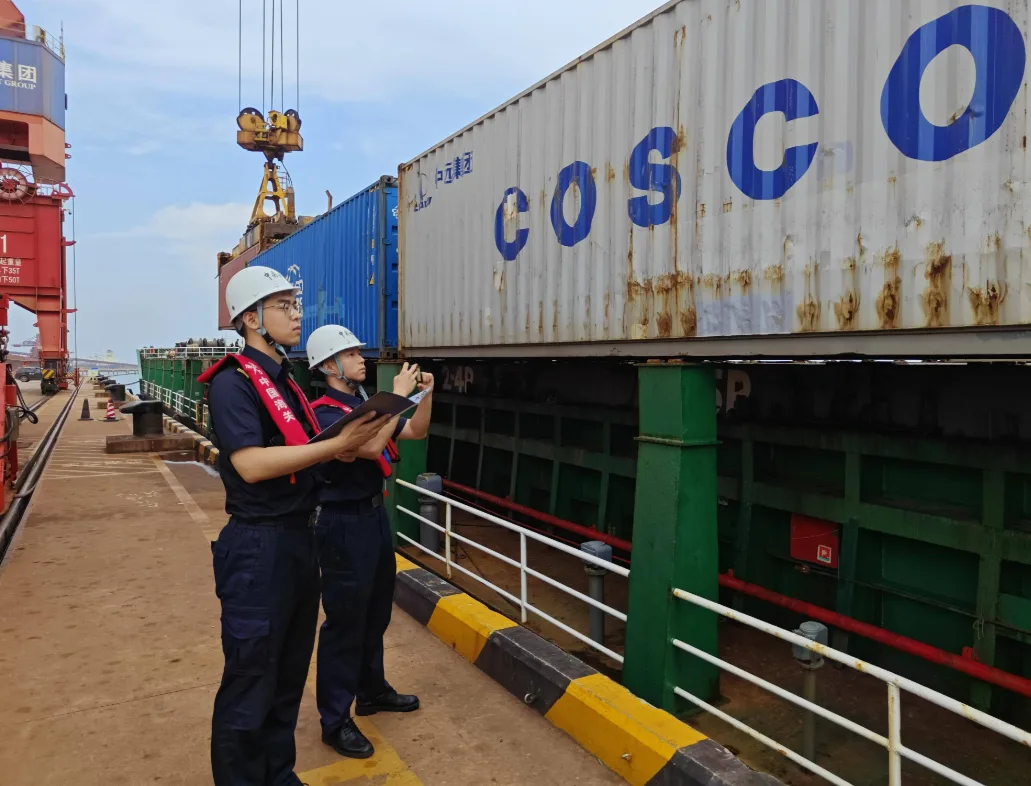
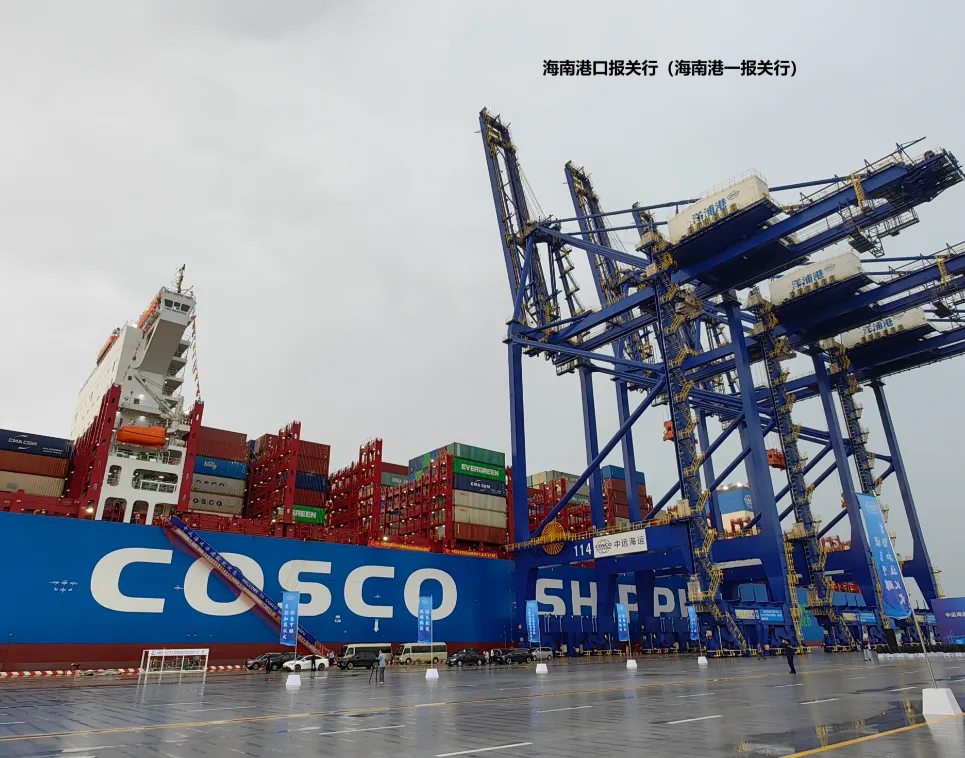
Guangzhou is not a single terminal but a whole customs district, and the port you actually ship from is usually Nanshan, which sits inside the Guangzhou customs area. For buyers of solar cable, transformers and storage cabinets this distinction matters, because declaration rules, inspection practice and dangerous goods handling all follow Guangzhou Customs rather than the terminal name on your booking. Getting customs clearance Guangzhou right starts with understanding that difference.
HS classification is where most shipments go wrong. Transformers fall under heading 8504, but the subheading changes with both capacity and cooling medium. An oil immersed unit at or below 650kVA is 8504.21, between 650kVA and 10,000kVA is 8504.22, and above 10,000kVA is 8504.23. Dry type units follow a completely different path, 8504.31 up to 1kVA, 8504.32 from 1 to 16kVA, 8504.33 from 16 to 500kVA and 8504.34 above 500kVA. Declaring a large oil filled unit as a dry type transformer, or forcing an inverter into a transformer code, triggers duty recovery, penalties and placement on a heightened inspection list. Because we manufacture the equipment, the capacity, voltage class and cooling medium on the declaration come directly from the production record rather than from a sales description.
Oil immersed transformers are dangerous goods, not general cargo. The mineral insulating oil inside is classified under UN3295 as a Class 9 miscellaneous dangerous substance, and some low flash point oils fall into Class 3 flammable liquids. This means booking a DG slot rather than a general container, preparing a sixteen section MSDS, a non PCB test report, a packaging performance certificate and a dangerous goods declaration, and packing with a leak proof membrane plus a bottom oil tray with Class 9 labels on the container. Loading must happen at a maritime registered hazardous cargo yard, since using an ordinary factory floor or a standard truck attracts heavy fines. Dry type resin transformers contain no oil and move as general cargo, which is a real cost advantage worth considering at the quotation stage.
Storage cabinets carry a separate and stricter set of rules. A pre assembled photovoltaic storage unit with batteries already installed inside is normally managed as UN3536, Class 9, which is distinct from loose lithium batteries under UN3480. Under the IMDG Code 42-24 amendment that became mandatory on 1 January 2026, the stowage category for UN3536 changed to D, meaning deck stowage only with no under deck loading, and the unit must be kept away from heat sources and accommodation spaces. Required documents include the UN38.3 test summary, MSDS, packaging performance certificate where applicable, a dangerous goods classification report and a valid CSC safety approval plate on the container. Treating a storage cabinet as an ordinary photovoltaic module and booking it as general cargo leads to carrier refusal, maritime penalties or return at the destination port.
The sequence of filings cannot be rearranged. The correct order is to first complete hazard determination and fix the UN number and class, then prepare the packaging certificate, classification report and GHS labels in parallel, submit the dangerous goods documents to the carrier for pre approval, confirm the slot, arrange supervised loading while submitting the maritime declaration, and only then file the customs declaration through the Single Window. Many shippers find their customs paperwork approved but miss the maritime cut off for the specific route, and the container is rolled regardless. Nanshan terminal handles Class 3, Class 8 and Class 9 containers well, but Class 1 explosives and Class 2 high pressure gases are largely refused by carriers and yards, so this must be checked before any truck is dispatched.
Wooden packaging is a frequent and avoidable failure. Every wooden case and pallet must carry the IPPC mark, and customs in Vietnam, Thailand and Indonesia destroy unmarked packaging and charge demurrage when they find it. We apply ISPM-15 heat treatment or fumigation as standard and photograph the marks before loading.
Destination certification decides whether your cargo is released at the far end. Thailand requires TISI certification under TIS1573 for oil type or TIS1814 for dry type on grid connected units of 50kVA and above, and only accepts Dyn11 vector groups. Vietnam requires CR certification held by a local importer, which a Chinese factory cannot hold alone, with a two to three month lead time. Malaysia requires SIRIM certification for grid connected units and TNB likewise accepts only Dyn11. We verify this certificate set against your destination before confirming the booking, not after the cargo arrives.
Send us the equipment list, transformer type and rated capacity, cable specifications and your destination country. We will confirm the correct HS code, the classification route, the accepting terminal, the certificate set your buyer needs and a realistic delivery timeline.