Customs Clearance Shekou For Transformer And PV Cable Exports
Customs clearance Shekou for oil immersed transformers, PV cable and storage cabinets. ETB-5 gate rule, dual track DG filing, HS 8504 elements, factory direct files.
By SeeHog Logistics editorial team
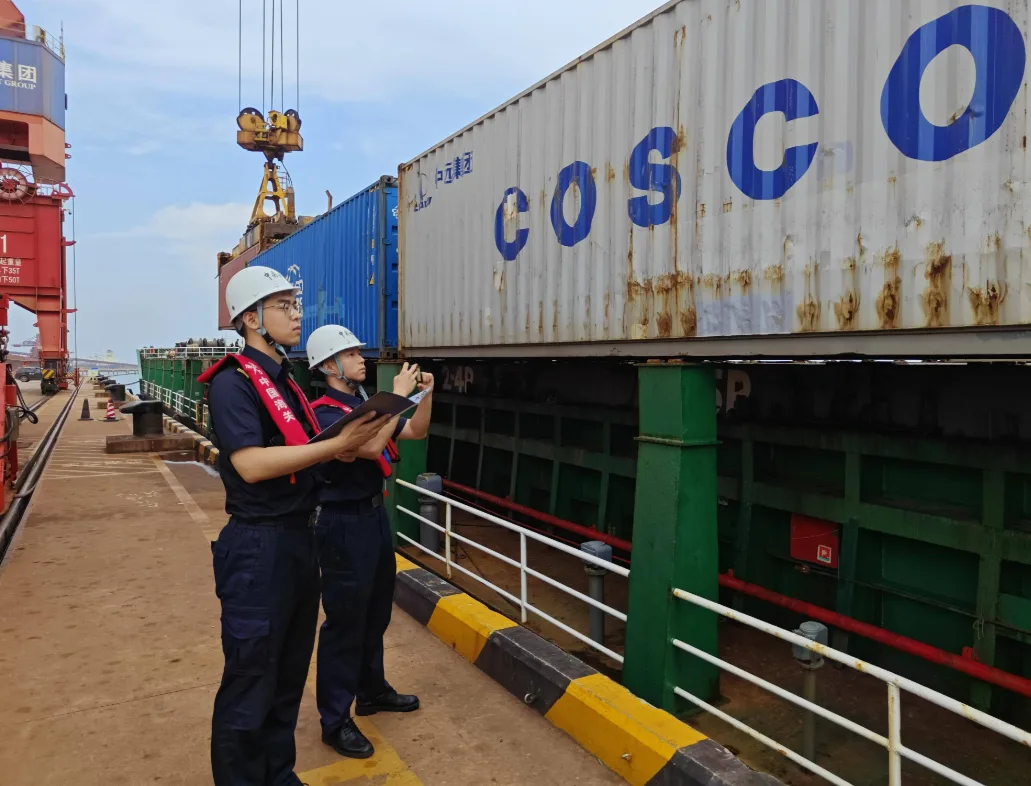
Shekou sits in Nanshan, Shenzhen, and handles around sixteen million TEUs a year. For buyers of transformers, solar cable and storage cabinets it is often the better choice than the larger neighbouring terminals, because sailing schedules on Southeast Asia, Middle East and Africa services are published and stable rather than open and rolling. That predictability is exactly why customs clearance Shekou deserves to be planned properly instead of left to the last day.
The gate in rule at Shekou is stricter than most buyers expect. Full container loads must be returned to the terminal before the estimated time of berth, and Shekou and Chiwan apply a uniform ETB minus five days rule, with the ETB day itself not counted. Heavy transformers and switchgear need extra days for lashing, reinforcement and photography, so a factory that plans loading against the vessel departure date rather than the ETB date will miss the window and pay for a rolled container. We build the ETB minus five date into the production schedule from the moment the purchase order is confirmed.
Shekou also runs a gate in first declare later mode. Heavy cargo can be gated into the terminal and the declaration submitted immediately afterwards, which in documented cases has produced same day release. This removes the classic deadlock where customs will not release until the container is inside and the terminal will not accept it until it is released. We sequence the work to use this mode, and because dangerous goods must complete gate in within seventy two hours of declaration or the declaration has to be cancelled and refilled with a penalty, the sequencing is not optional.
Two separate filings are required, not one. Ordinary cargo needs only a customs declaration. Dangerous goods must clear both the maritime safety administration dangerous goods application and the customs export declaration, and the maritime release reference is a precondition for customs to even accept the declaration data. Shekou Customs also runs a three document comparison across the declaration, the carrier manifest and the dangerous goods application, where a single stray space in a UN number or a wrong Roman numeral in the hazard class triggers a manual inspection.
Oil immersed transformers are the category buyers misjudge most. A dry type unit is ordinary cargo, but an oil immersed unit contains mineral oil and can be classified as a Class 9 environment hazardous substance, which changes the packing requirement, the declaration route and the freight cost. The HS code normally falls under 8504.31 or 8504.32 and the regulatory conditions must be confirmed before declaration. A hazardous characteristics classification report from a customs recognised laboratory is required, stating the UN number, hazard class and packing requirement. We commission this report before production finishes, not after.
Solar cable and storage cabinets have their own checkpoints. PV cable exported under EN 50618 H1Z2Z2-K must carry the TÜV certificate, the CE marking and the mill test record, and any mismatch between the printed marking on the jacket and the declaration description will fail inspection. Lithium battery storage cabinets require the UN38.3 report, a Chinese language MSDS which Shekou specifically requires alongside the English version, the correct UN number for the shipping configuration, and a state of charge not exceeding thirty percent.
Destination certification is confirmed at origin, not at discharge. Buyers in South Africa, Nigeria, Saudi Arabia and Southeast Asia frequently need SASO, SONCAP, PVOC, COI or TISI documentation. Missing papers do not stop the shipment leaving Shekou, they stop it clearing at the destination, where the buyer pays storage and demurrage on cargo that cannot be released. We verify the required certificate set against the destination country before the booking is confirmed.
Why dealing with the manufacturer shortens the whole process. Declarations go through the China International Trade Single Window, where HS code, declaration elements, quantities and values must reconcile exactly with the invoice, packing list and contract, and a deviation of more than ten percent between invoice value and declared value is a common trigger for manual review. When the factory and the customs agent are separate parties, technical data and declaration drafts diverge and the error only appears during inspection. Because we build the equipment, the production record, type test report, nameplate photograph, packing specification, lashing calculation and declaration draft all come from one source, and we can answer a customs valuation query with the original factory data the same day.
Send us the equipment list, whether the transformers are oil immersed or dry, the rated capacity and voltage class, the cable cross sections and lengths, and your destination country. We will confirm the HS code, the classification route, the accepting terminal, the certificate set your buyer needs and the realistic lead time against the ETB minus five gate rule. Contact our team for customs clearance Shekou support by email or WhatsApp at +86 15221865538.