Customs Clearance Yantian For Heavy Power Equipment Export
Customs clearance Yantian for transformers and storage cabinets. Shipside loading, UN3536 filing, overweight booking and HS 8504 elements handled factory direct.
By SeeHog Logistics editorial team
Yantian moves more than thirteen million TEUs a year and its deep water berths take mega vessels up to twenty four thousand TEUs, which is why most heavy electrical equipment leaving the eastern Pearl River Delta ships through here. But customs clearance Yantian has its own operating logic, and buyers who assume it works like any other port usually discover the difference at the gate.
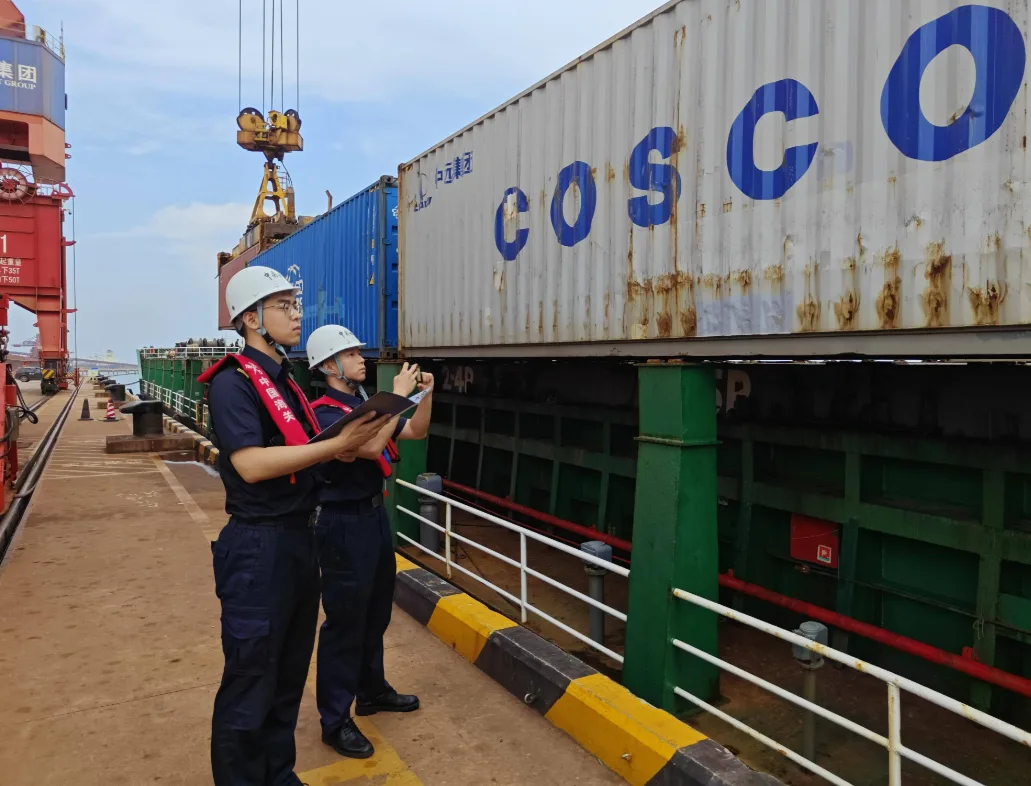
Yantian offers a shipside loading mode that most buyers do not know exists. Under the Dapeng Customs arrangement, export cargo declared in advance is released the moment it reaches the terminal and is driven straight to the berth for loading, bypassing the container yard entirely. In a documented case, a container truck carrying goods loaded at a Henggang factory reached the terminal and was cleared for direct delivery to the vessel in under two hours from factory to ship. For oversized transformers and switchgear this matters enormously, because every extra lift in the yard is a handling risk on a unit that cannot be easily re packed. We file the declaration early enough to qualify for this mode whenever the vessel schedule allows.
Storage cabinets must clear maritime filing before customs, not after. Lithium battery storage cabinets are Class 9 dangerous goods, and the sequence at Chinese ports is fixed. Maritime filing comes first, then the export declaration, then gate in. Reverse the order and the declaration is rejected outright. The UN number also depends on how the unit is shipped. A containerised storage cabin moving as an integrated unit without separate outer packaging is declared as UN3536 and does not require a dangerous goods packaging certificate, while a household all in one unit shipped in individual packaging falls under UN3481 and cannot be declared or loaded without one. Separately, the state of charge must not exceed thirty percent, and port authorities conduct random SOC checks where an overcharged unit is detained and returned.
The terminal itself needs the right qualification. A berth handling lithium battery systems must hold a port dangerous goods operation permit covering Class 9, and during loading operations the terminal must suspend vehicle maintenance, refuelling and similar work in the vicinity. Booking a terminal without this qualification does not slow the shipment down, it stops it. We confirm terminal eligibility at the quotation stage rather than at booking.
Overweight containers need three days of lead time at Yantian. Heavy transformers and large storage cabinets frequently exceed standard container weight limits. Where cargo weight passes thirty tonnes, Yantian requires advance notification at least three days before arrival, supported by a terminal load bearing test report of at least fifty tonnes per square metre, together with a signed overweight declaration and a reinforcement plan showing steel base plates, lashing strap tension and CAD drawings. We prepare this documentation package as part of the packing process, not as an afterthought.
Transformer declaration elements are prescribed and audited. Equipment under HS heading 8504 must be declared with rated capacity, medium type, whether oil immersed or dry cast resin, brand, model and export benefit status, and the capacity bracket directly affects customs valuation review. A real enforcement case involved a 220kV transformer exported without declaring the insulating oil content and without the outbound dangerous goods packaging evaluation certificate. The unit shifted during lifting because the lashing plan had not been professionally calculated, and the exporter faced back duties, a fine equal to thirty percent of cargo value and a five to fifteen day clearance delay. We produce a written load and reinforcement calculation showing the centre of gravity, lifting point loading and lashing material strength, and retain photographic evidence for any later audit.
Cut off times at Yantian are absolute. The release slip deadline is typically 16:00 one day before estimated time of departure, and customs declaration should be completed at least twenty four hours before cut off. Once Yantian closes, a release cannot be added retroactively, so the cargo rolls to the next vessel. Dangerous goods declarations require three working days of advance submission. We build these deadlines into the production schedule rather than discovering them at the end.
Why buying direct from the manufacturer changes the outcome. Declarations are lodged through the China International Trade Single Window, where HS code, declaration elements, quantities and values must reconcile exactly with the invoice, packing list and contract before submission, and any logical mismatch triggers an immediate rejection. When the factory and the customs agent are separate parties, technical data and declaration drafts routinely diverge and the error surfaces during inspection. Because we build the equipment, the production record, factory test report, nameplate photograph, packing specification and declaration draft all originate from one source. We arrange plant collection, inland haulage, maritime filing, overweight notification, declaration and vessel booking as one continuous operation.
Send us the equipment list, rated capacity and voltage class, whether the units are oil immersed or dry, the gross weight per unit, and your destination country. We will confirm the HS code, the UN number and filing route, the accepting terminal, the certificate set your buyer needs and the realistic lead time. Contact our team for customs clearance Yantian support by email or WhatsApp at +86 15221865538.